Understanding the Value of Poly Cotton Core Spun Sewing Thread
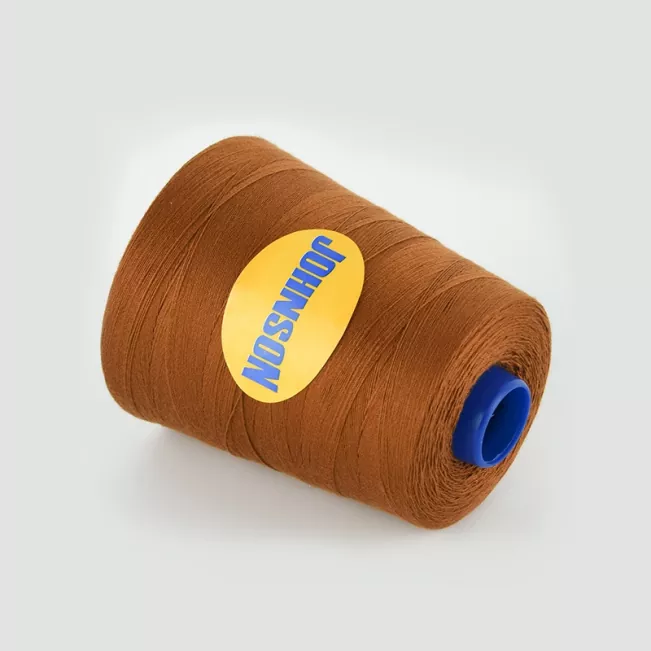
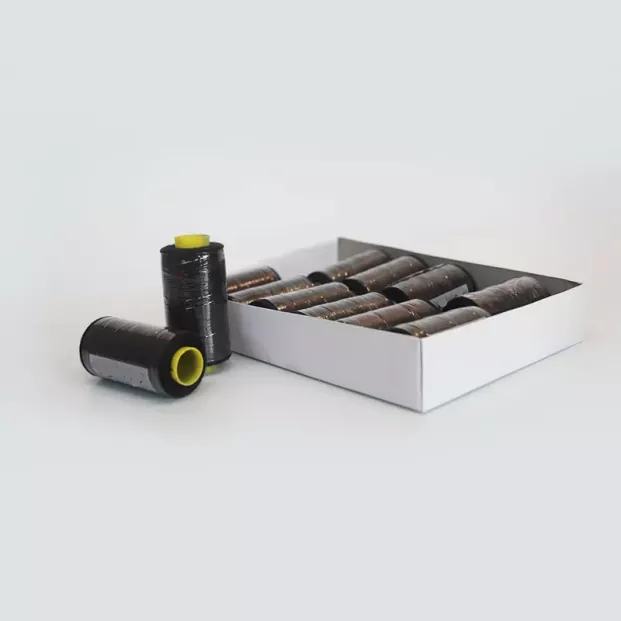
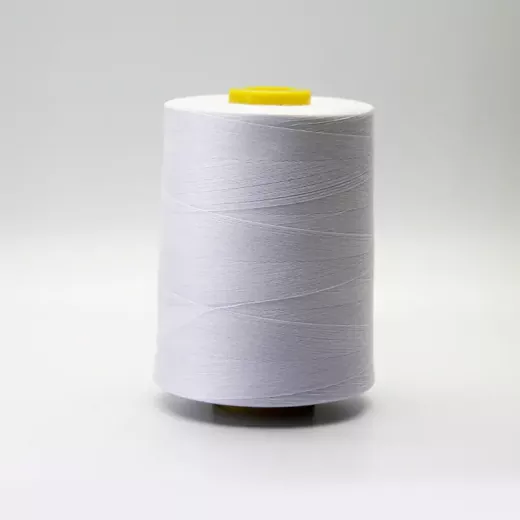
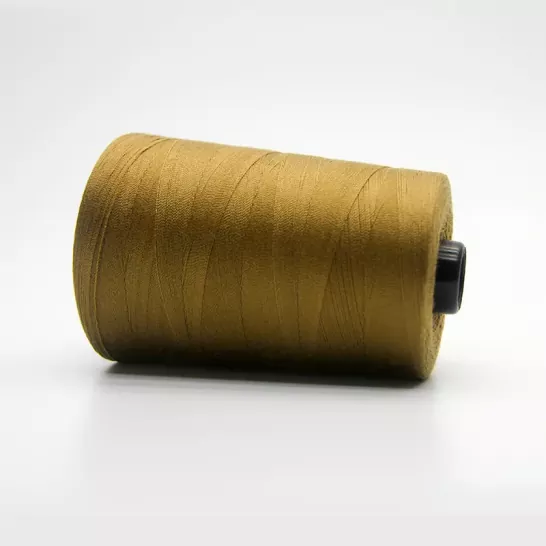
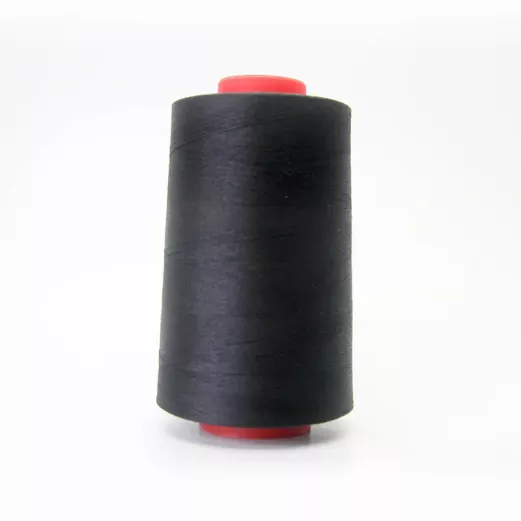
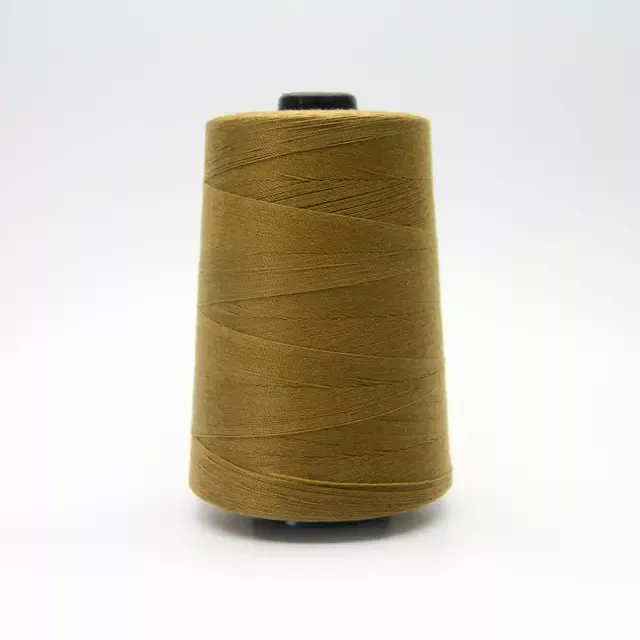
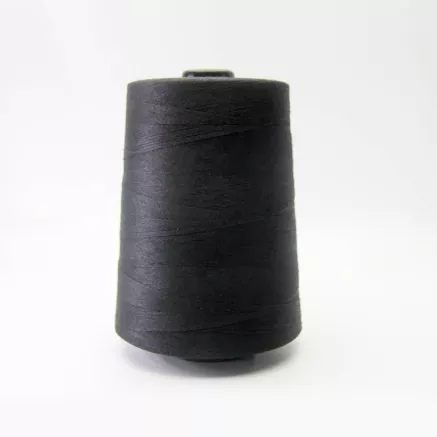
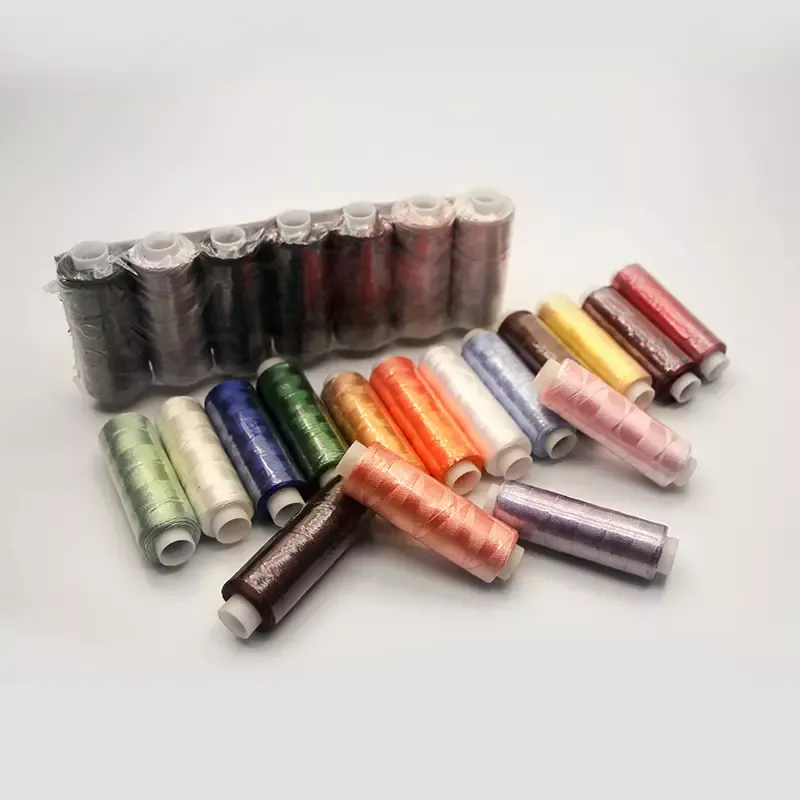
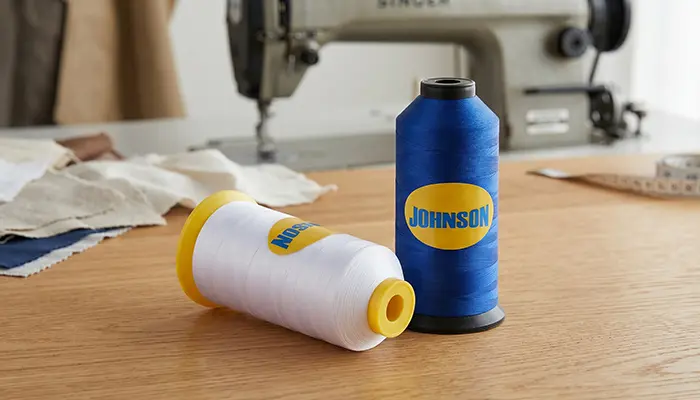
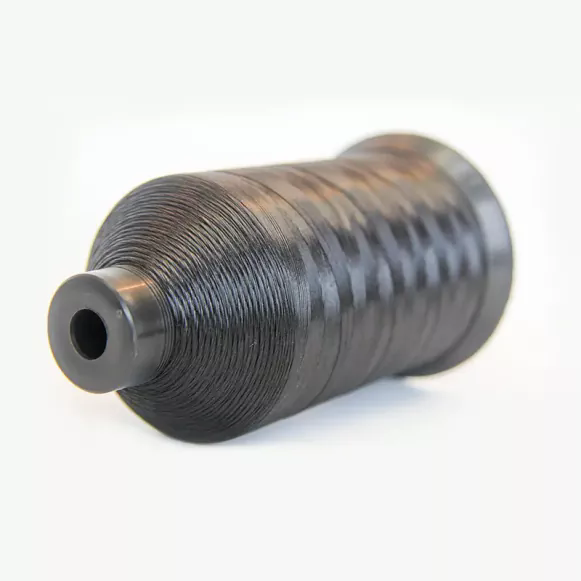
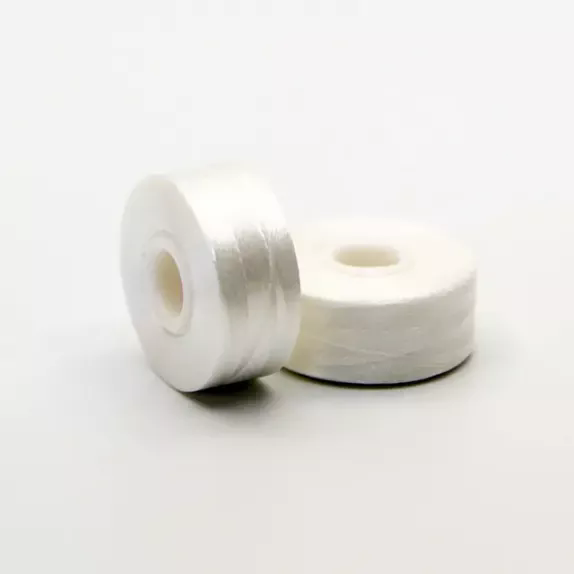
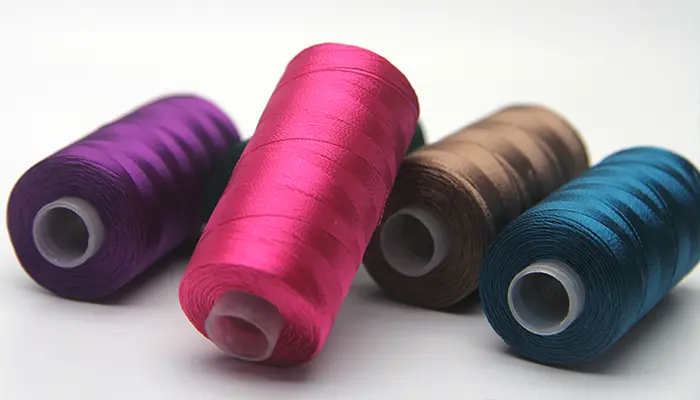
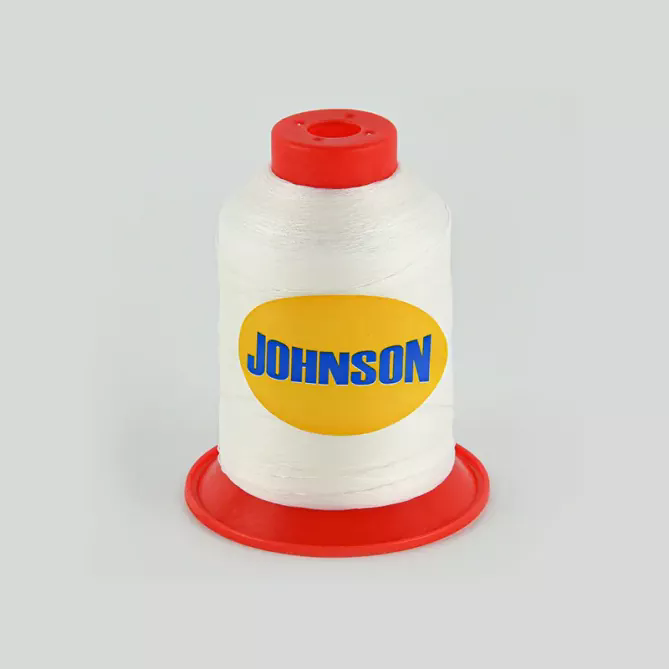
In high‑speed industrial sewing, thread selection directly determines seam strength, production efficiency, and final garment quality. Poly Cotton Core Spun Sewing Thread has become the workhorse in factories producing denim, workwear, automotive interiors, and leather goods because it merges the toughness of polyester with the natural feel of cotton. JOHNSON has spent over twenty years refining this thread to meet the practical demands of modern sewing lines, where every break or skipped stitch cuts into profitability. Our Poly Cotton Core Spun Sewing Thread series includes products such as Poly Cotton Core Spun Sewing Thread 45/2, etc.
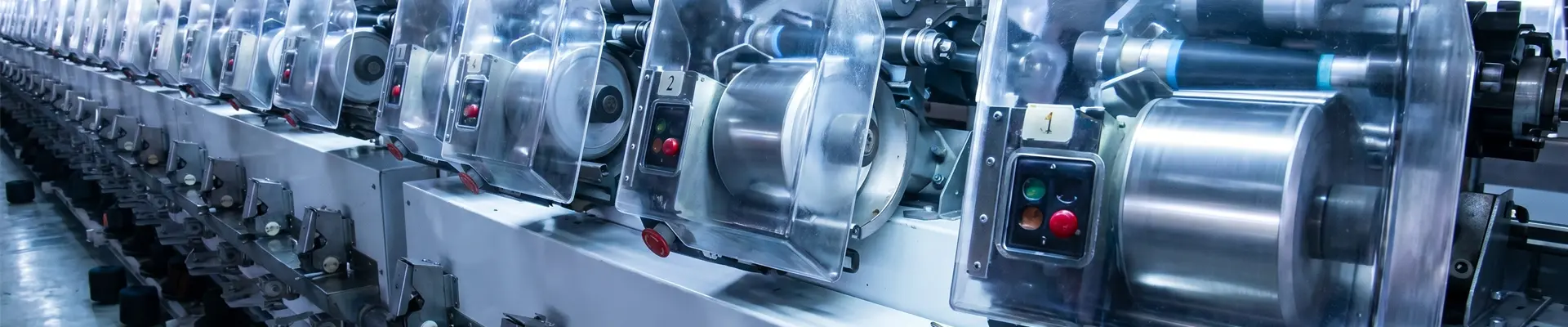
The construction of Poly Cotton Core Spun Sewing Thread begins with a continuous filament polyester core, which is then wrapped with cotton fibers. This produces a thread that is approximately 30‑50% stronger than conventional spun polyester threads of the same ticket number, while maintaining the heat resistance needed for high‑speed needle penetration. At JOHNSON, we manufacture this thread on precision ring‑spinning frames, controlling the core‑to‑wrap ratio to guarantee consistent loop strength and elongation values across every cone.
Core Construction and Why It Matters
The polyester core gives the thread its tensile backbone. Our filament core is a high‑tenacity, low‑shrinkage polyester yarn that resists chemical degradation from modern laundry processes and industrial bleaches. The cotton wrap is made from long‑staple combed cotton, which provides a soft hand, reduced needle friction, and excellent dye uptake. The combination ensures the thread will not fuse or melt at sewing speeds above 5,000 stitches per minute, unlike 100% synthetic threads under extreme conditions.
JOHNSON applies a specialized lubricant during winding that reduces the coefficient of friction by up to 18% compared to uncoated core spun threads. This results in fewer needle heat build‑up issues and less thread breakage when working with heavy materials like 14 oz denim or laminated automotive fabrics. The lubricant is heat‑stable and does not gum up tension discs.