News

What hidden procurement traps appear when sourcing monofilament for precision technical textile projects?

2026-08-21 0 Leave me a message
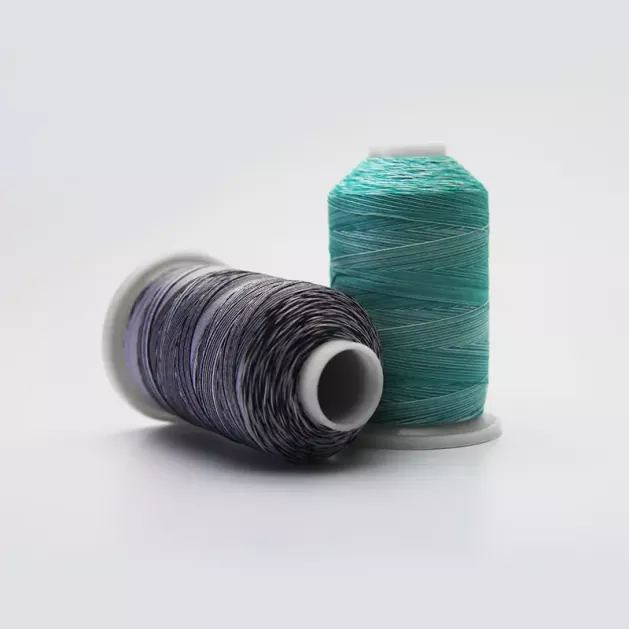
Johnson Nylon Monofilament Thread production implements closed‑loop extrusion monitoring, standardized heat‑setting treatment and batch‑wise chemical testing, mitigating dimension‑related production scrap, customs compliance risks and fragmented‑order overhead for cross‑border technical‑textile factories.


1. Closed‑loop extrusion monitoring suppresses monofilament diameter fluctuation

Many low‑grade monofilament manufacturers operate without real‑time laser diameter inspection. Molten nylon extrusion temperature, screw feed rate and die wear generate subtle thickness variation across spools. During high‑speed loom or mesh‑weaving production, uneven‑diameter monofilament triggers frequent thread snapping, needle blockage and mesh‑aperture inconsistency. Finished filter meshes show irregular pore sizes and get rejected by end‑users. Johnson installs online laser micrometer arrays on every extrusion line, continuously correcting process parameters to keep monofilament dimensional tolerance within tight limits. Real‑world weaving‑plant data proves loom‑halt incidents caused by filament defects drop substantially, lowering raw‑material waste and boosting daily production throughput for precision‑mesh workshops.

2. Purified nylon chip raw‑material control satisfies EU REACH‑SVHC regulatory limits

Some monofilament producers blend recycled mixed‑polymer scraps into feedstock. Unscreened recycled chips may contain restricted chemical additives that breach REACH‑SVHC substance limits. Shipments risk customs detention when entering European markets, and brand retail‑chain audits reject suppliers lacking batch‑specific hazardous‑substance test records. Johnson adopts virgin‑grade nylon polymer chips with controlled additive formulation. Every production lot undergoes third‑party chemical screening. Complete English‑language REACH‑compliant test dossiers accompany shipments, enabling technical‑textile importers to clear customs and satisfy brand‑supplier‑audit requirements without extra outsourced sample‑testing expenditure.

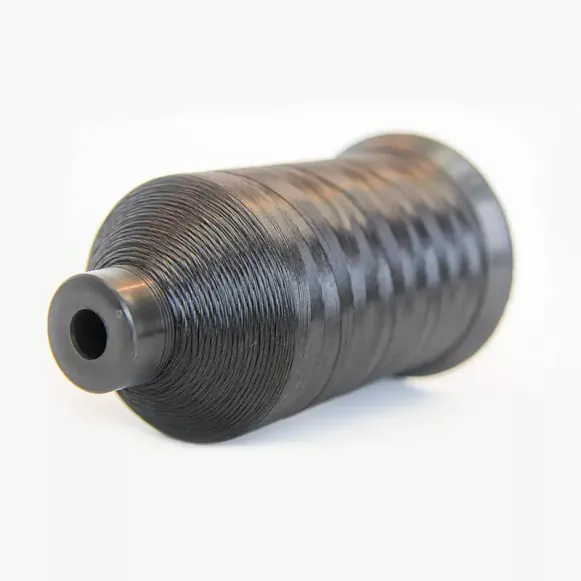
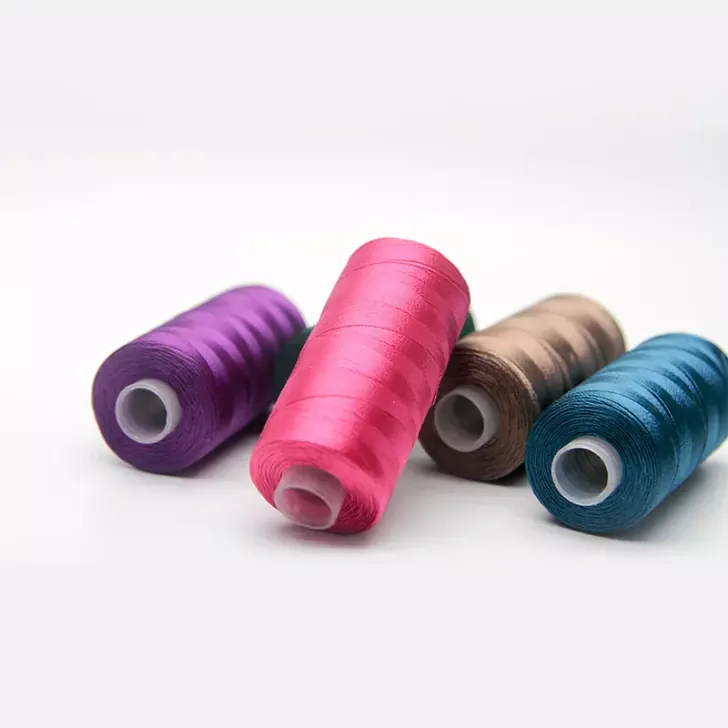
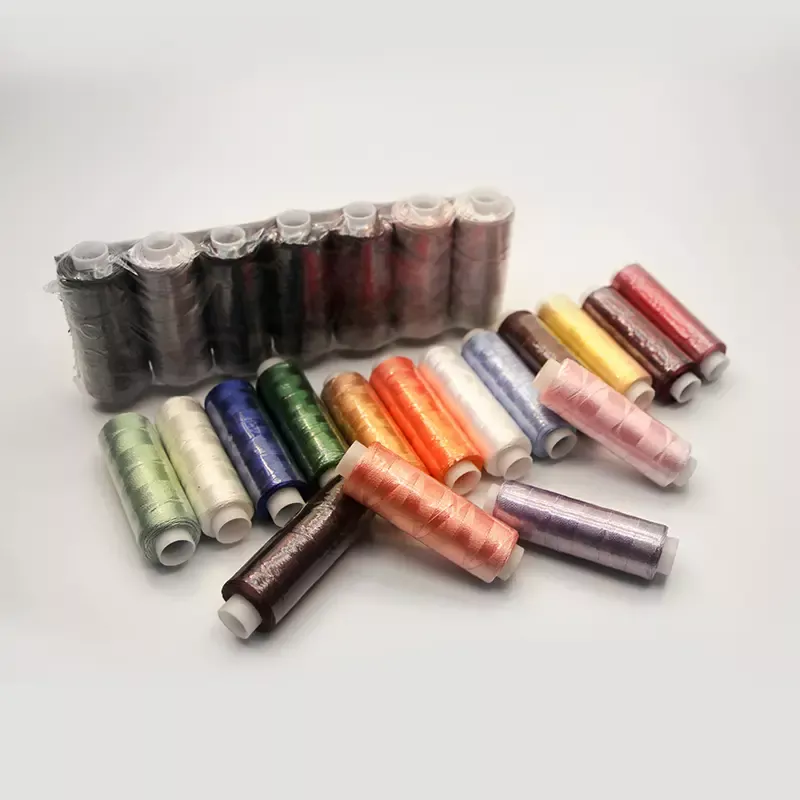
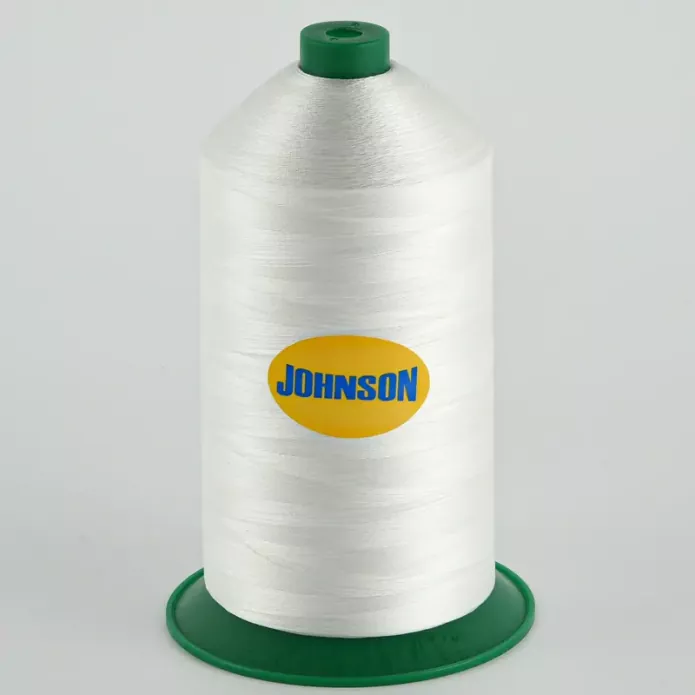
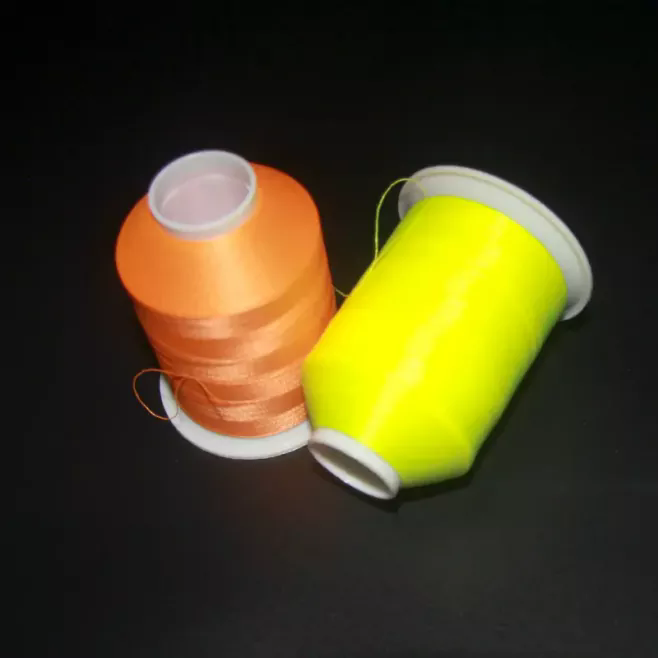
Nylon Monofilament Thread

3. Precision multi‑stage heat‑setting stabilizes thermal‑shrinkage performance

Insufficient or uncalibrated post‑extrusion heat‑setting treatment leaves large residual internal stress inside monofilament. When finished mesh fabrics go through drying, laminating or high‑temperature sterilization procedures, uncontrolled thermal shrinkage distorts mesh aperture and overall component dimension, generating mass finished‑product scrap. Johnson applies segmented tension‑controlled heat‑setting workflows for different monofilament diameters, locking shrinkage rate within narrow project‑specified windows. For filter mesh, synthetic netting and industrial‑grade woven textiles, finished‑goods dimension stays consistent even after repeated thermal processing cycles, cutting reject losses caused by post‑production dimensional deformation.

4. Comprehensive die library unifies multi‑diameter monofilament procurement under one supplier

Numerous monofilament factories only maintain a limited set of extrusion dies. Technical‑textile projects frequently require multiple filament diameters within one product batch, forcing buyers to split orders among different manufacturers. Separate shipments bring inconsistent physical performance between lots, extra logistics costs and complicated stock‑keeping work. Johnson maintains a complete extrusion‑die portfolio covering fine micro‑diameter up to heavy industrial‑grade monofilament. Procurement teams consolidate mixed‑diameter monofilament orders with a single source, gaining unified bulk‑pricing advantages and reducing cross‑supplier performance‑variation risks for complex mesh‑fabric projects.

5. Surface finishing tuning adapts diversified downstream weaving & post‑treatment workflows

Generic off‑the‑shelf monofilament uses fixed surface friction characteristics, which may not match high‑speed loom, tufting or coating‑process demands. Too‑high surface friction accelerates loom‑needle wear; overly‑slippery monofilament creates weaving‑loop slippage and unstable stitch formation. Johnson adjusts surface‑modification formulations per client downstream‑process requirements, balancing surface friction for weaving efficiency while preserving filament core tensile property. Custom‑tuned surface properties reduce consumable‑part wear on textile machinery and improve stability during subsequent coating or laminating operations.

6. Batch‑traceable physical‑property archives support technical‑textile end‑product certification

Many monofilament vendors only deliver goods without formal batch‑wise physical‑test reports. Downstream filter‑mesh and safety‑textile manufacturers cannot supply required raw‑material evidence for their own end‑product certification processes. Johnson records tensile strength, elongation, diameter distribution and shrinkage index for every manufacturing batch. Full sets of traceable test documents can be provided, helping technical‑textile producers compile raw‑material evidence for ISO‑filtered‑material and industrial‑mesh product certification submissions.


Related News
Leave me a message
X
We use cookies to offer you a better browsing experience, analyze site traffic and personalize content. By using this site, you agree to our use of cookies.Privacy Policy
RejectAccept