News

Where hidden embroidery factory losses stem from substandard bobbin thread?

2026-08-14 0 Leave me a message

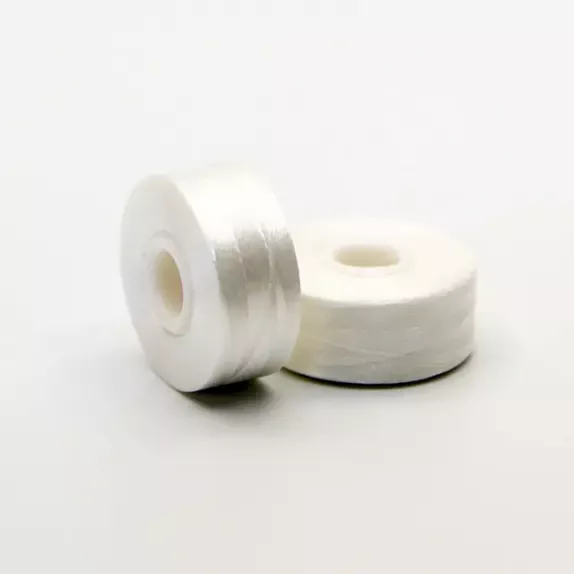
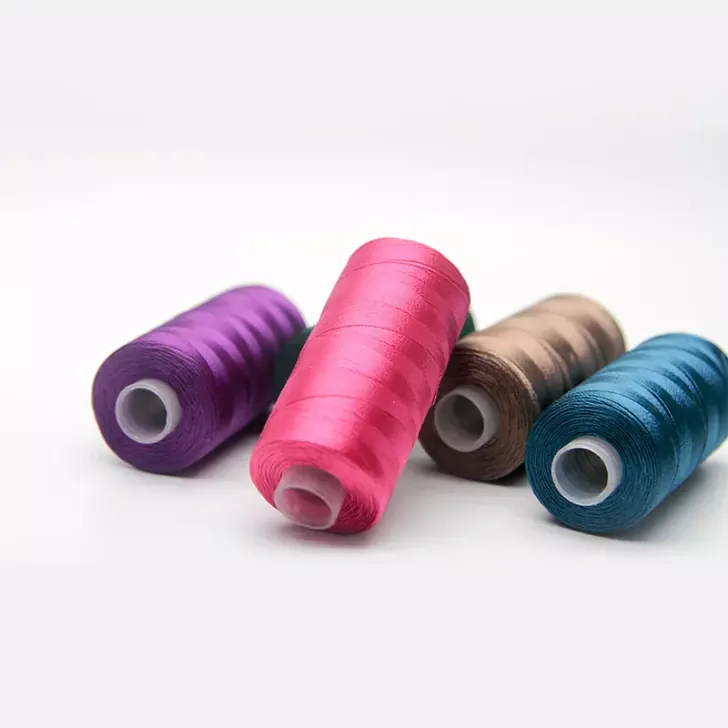
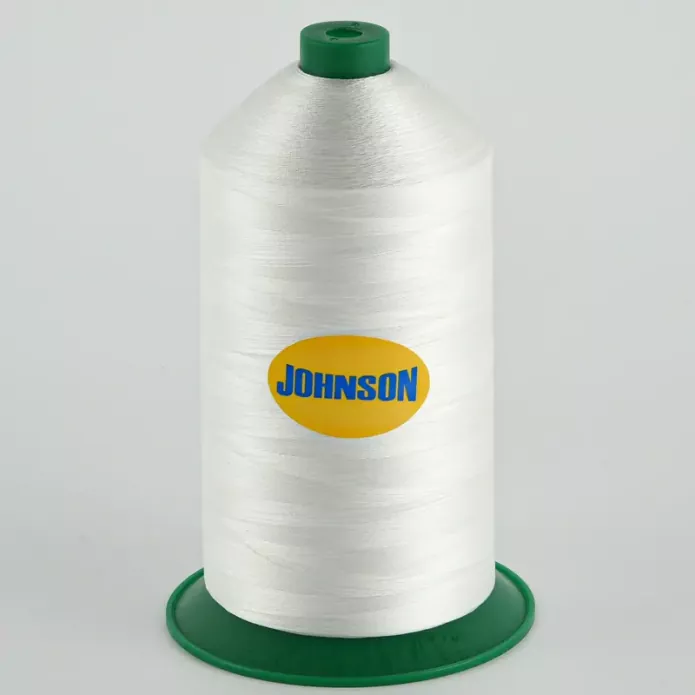
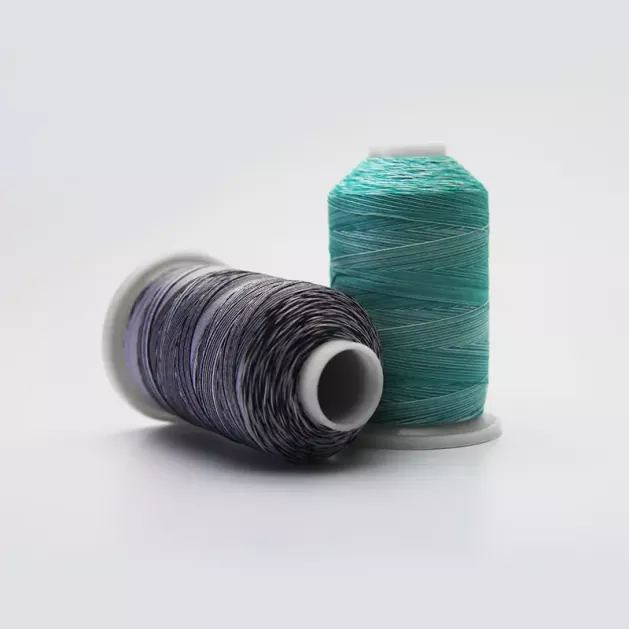
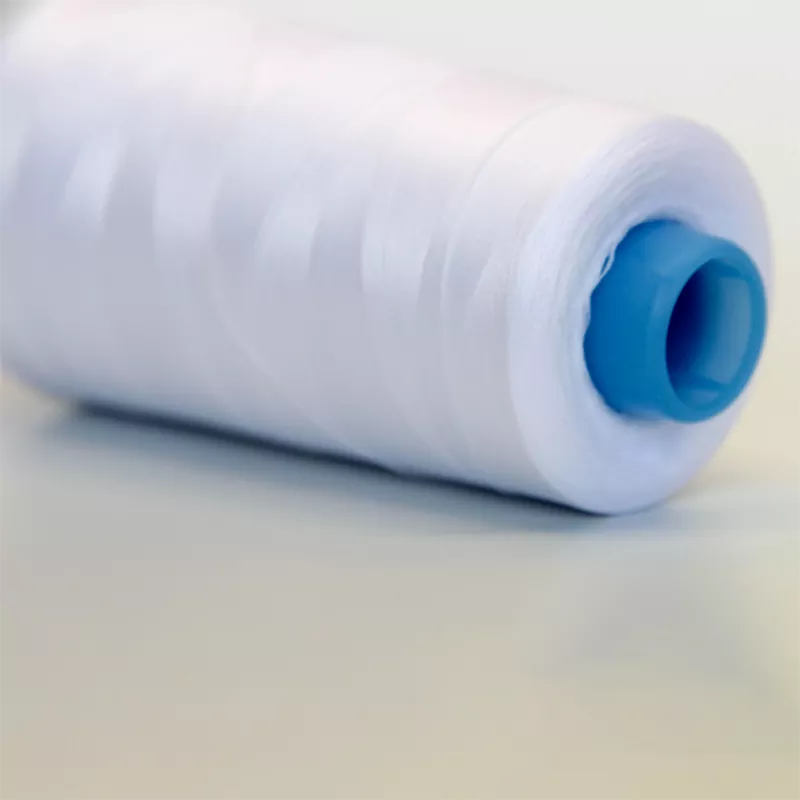
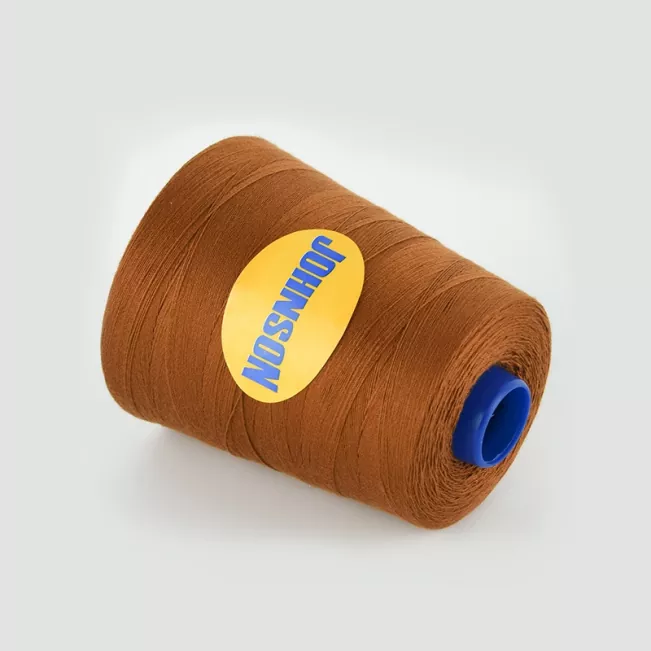
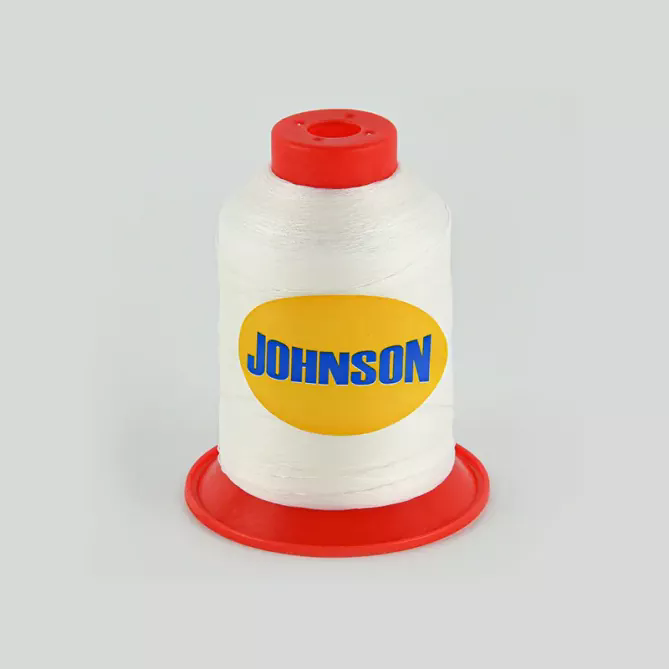
Cross-border embroidery, quilting and automotive textile manufacturers constantly face unquantified recurring losses caused by inferior pre-wound bobbins. Low-precision winding leads to frequent equipment shutdowns; low-grade polyester fails European textile washing fastness standards and triggers batch cargo rejection; scattered bobbin specifications force factories to cooperate multiple suppliers and inflate inventory management expenses. Johnson’s 70/2 high tenacity pre-wound bobbin adopts virgin long filament polyester and closed-loop constant tension winding craft, compatible with all mainstream bobbin core styles and sizes, fully compliant with ISO textile testing standards, eliminating equipment downtime, export compliance risks and multi-supplier procurement overhead for global textile processing enterprises.

1. Precision tension winding eliminates idle equipment downtime from thread breakage

Most low-cost bobbins rely outdated semi-automatic winding equipment without closed-loop tension control. Uneven yarn tightness causes tangling and frequent snapping during long-hour continuous high-speed embroidery, cutting daily workshop output and raising labor waste from repeated machine restarts. Johnson’s production lines adopt computer synchronized winding equipment, keeping tension deviation under 1% across every bobbin. Mass production data collected from overseas embroidery workshops verifies over 70% reduction in pause frequency caused by bobbin defects, stabilizing uninterrupted all-day production for multi-head embroidery fleets.

2. Virgin long-filament raw material meets EU textile export audit standards

Generic bobbin threads add recycled polyester fragments to lower raw material costs, resulting in insufficient tensile strength and poor resistance to industrial bleaching and repeated washing. Finished embroidery products easily fade and loose stitching after post-treatment, leading European importers to refuse full container shipments and claim compensation. This 70/2 bobbin series uses 100% new high-density polyester filament without recycled admixtures, with dedicated heat setting treatment to boost seam retention capacity. All batches come with complete ISO 105 color fastness test certificates, helping textile factories pass third-party customs inspection without extra testing fees.

3. Full-spectrum bobbin core specs simplify unified one-supplier procurement

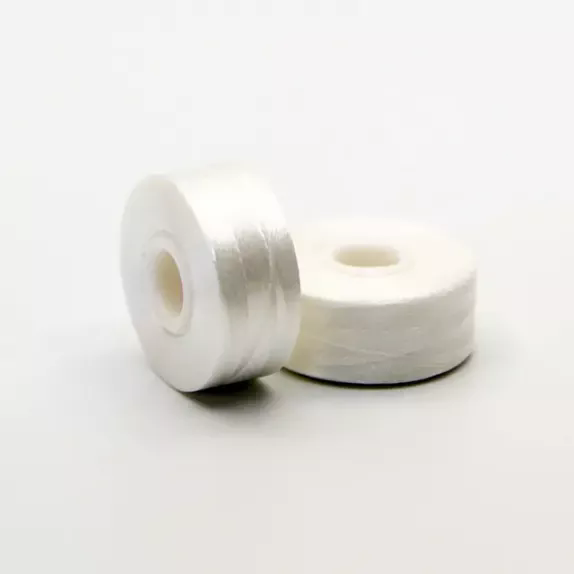
Many bobbin manufacturers only produce partial core styles and limited dimensions. Factories equipped with mixed domestic and imported embroidery machines have to source different bobbins from separate vendors, splitting orders and generating extra consolidated sea freight charges. This product line covers sideless, cardboard sided, plastic sided and magnetic cardboard sided four structures, matching L/M/A/U/G full universal sizes. Procurement teams complete all bobbin replenishment via single cooperative factory, greatly reducing warehouse SKU sorting workload and comprehensive purchasing costs year-round.

4. Fine high-tenacity yarn avoids fabric wrinkling and back stitching marks

Thick low-strength bobbin threads leave obvious bulging traces on thin lace, fashion apparel and upholstery fabrics, lowering finished product grade and reducing brand reorder rate. The 70D ultra-fine filament structure balances thin diameter and outstanding load-bearing capacity. Even under dense full embroidery on denim, luggage and automotive interior cloth, the bottom stitching stays flat without protruding marks, lifting finished product pass rate during brand pre-shipment inspection for high-end textile export orders.

5. Closed constant temperature dyeing controls batch color difference risks

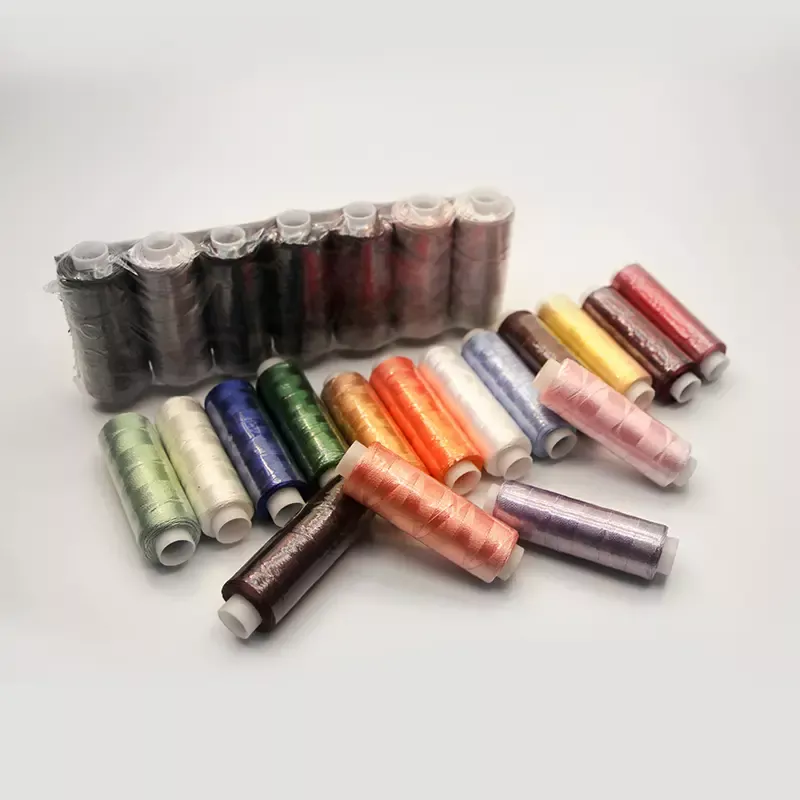
Small thread workshops use open intermittent dyeing lines with unstable temperature control, producing obvious chromatic aberration between different production batches. For large continuous brand orders split into multiple shipments, inconsistent bobbin thread tone causes uneven embroidery overall effect and batch rejection. Johnson’s in-house enclosed dye production strictly follows Pantone color matching benchmarks. Standard black and white bobbins support 24-hour spot delivery, while customized special colors maintain stable ΔE chromatic aberration index, guaranteeing unified visual effect for multi-batch export embroidery goods.

6. Sealed moisture-proof export packaging prevents yarn mildew in long ocean transit

Ordinary single-layer carton packaging lacks humidity isolation protection. Container condensation during tropical long-distance shipping leads to mildew and fiber embrittlement, rendering large quantities of bobbins unusable upon warehouse arrival. Standard export configuration uses dust-proof inner boxes matched with reinforced outer cartons, with customizable wooden pallet packaging for super large bulk orders. Multi-layer moisture barrier structure effectively avoids yarn damage caused by sea freight humidity, keeping bobbin performance consistent with factory test standards after arriving at overseas production workshops.

Related News
Leave me a message
X
We use cookies to offer you a better browsing experience, analyze site traffic and personalize content. By using this site, you agree to our use of cookies.Privacy Policy
RejectAccept