Understanding the Backbone of High-Performance Sewing
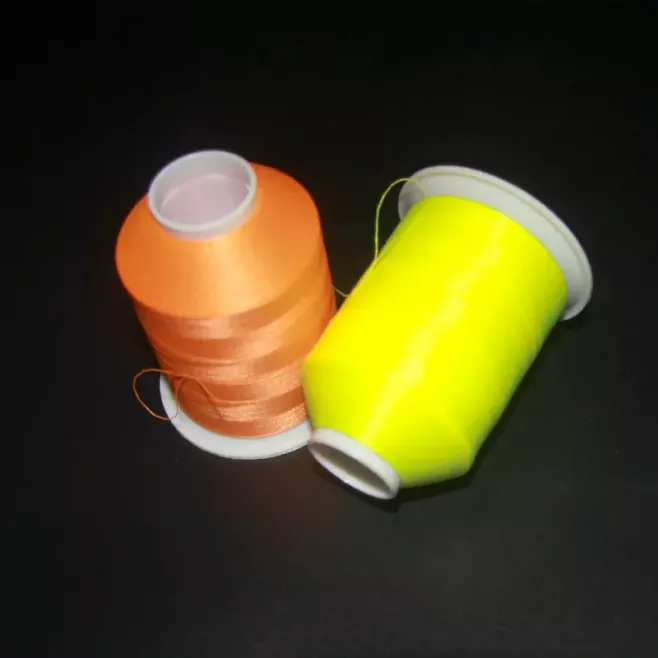
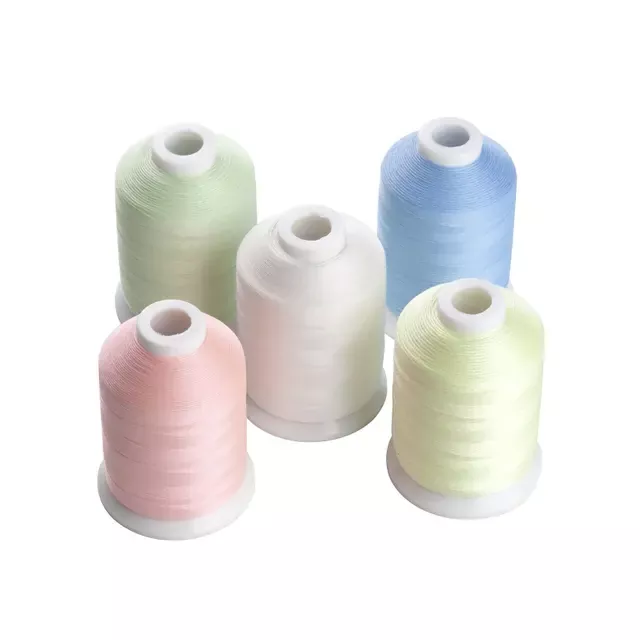
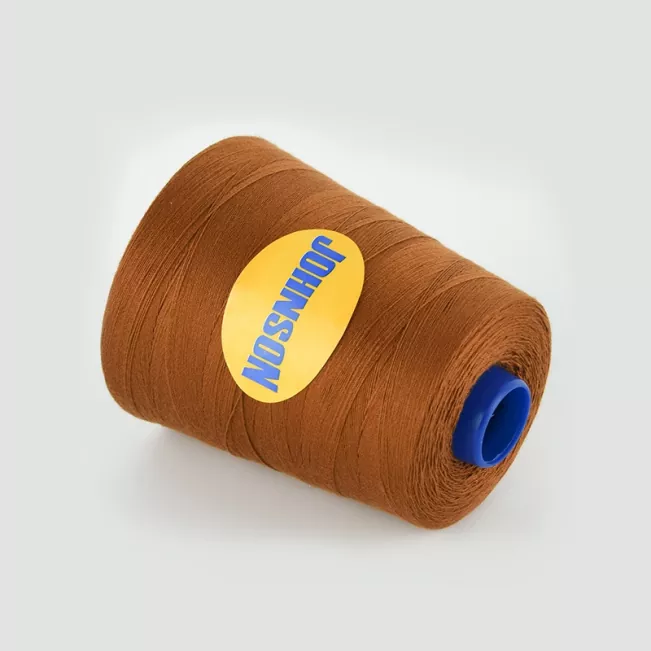
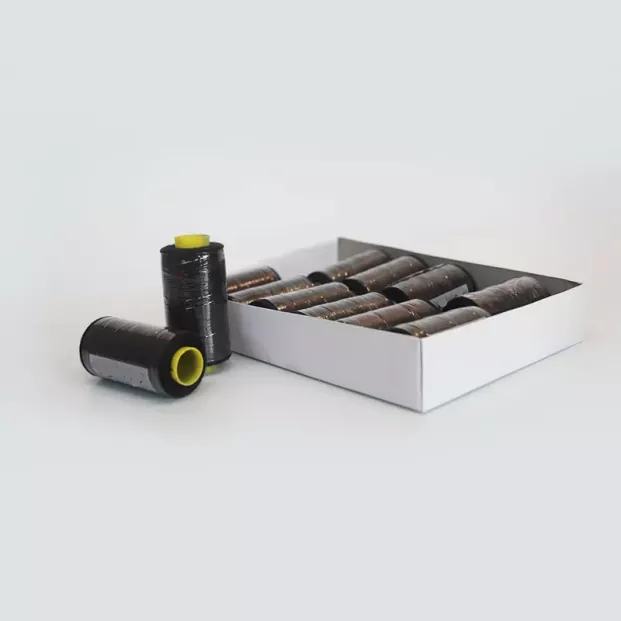
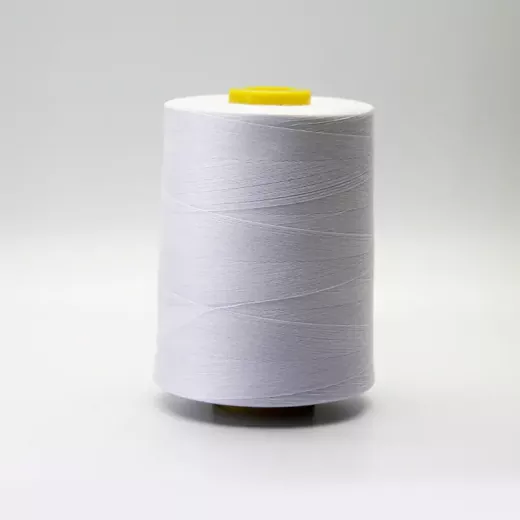
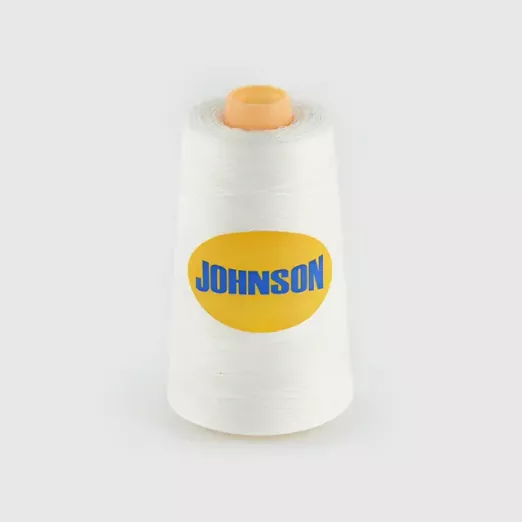
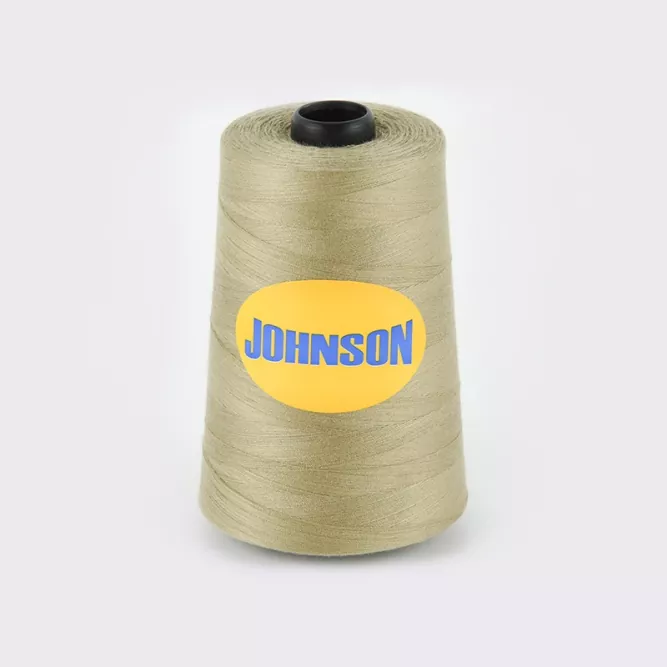
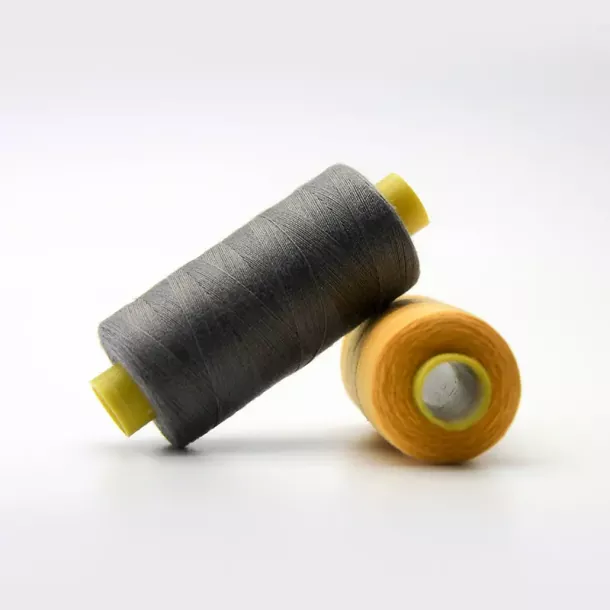
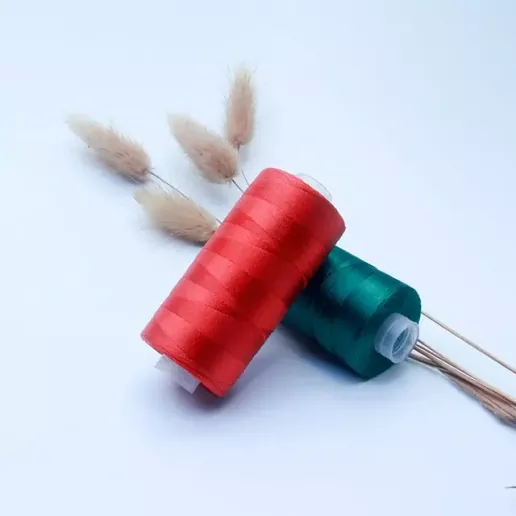
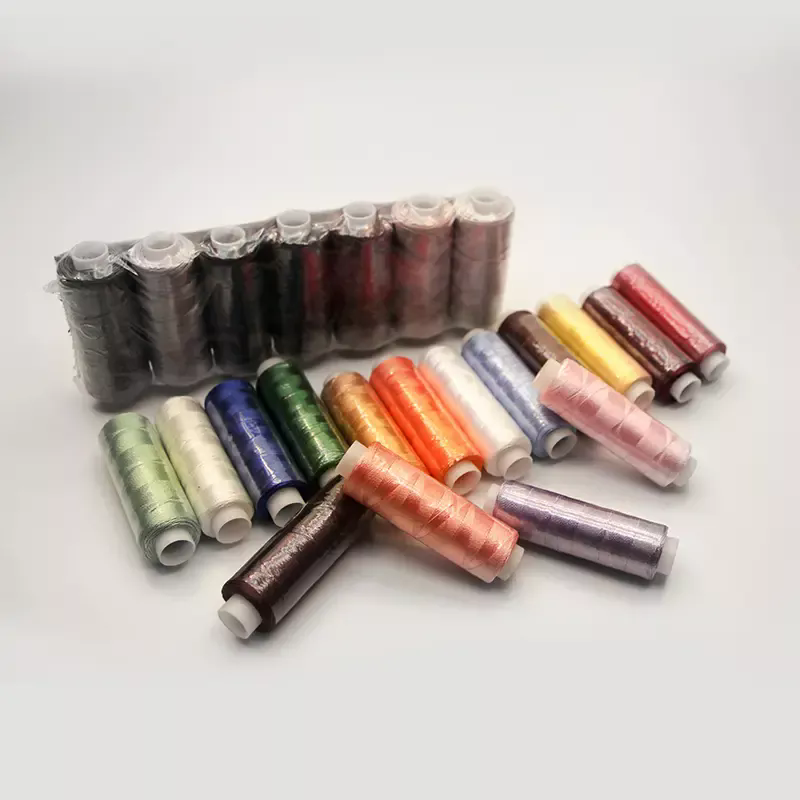
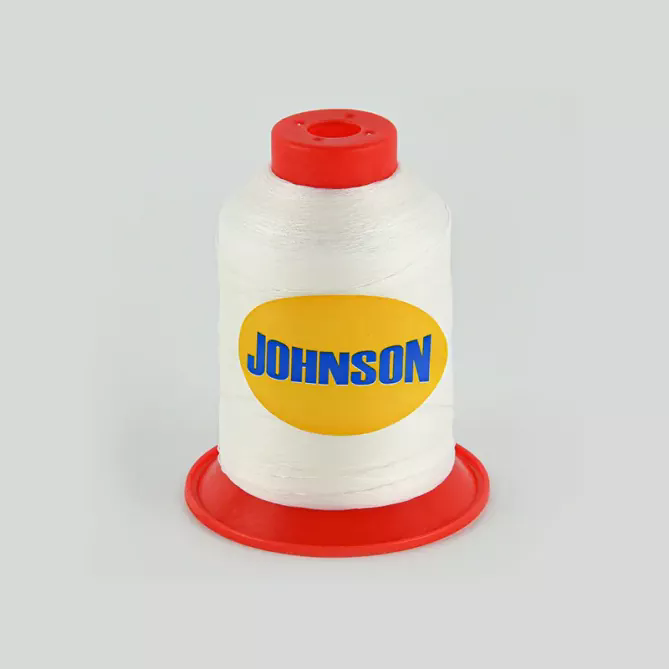
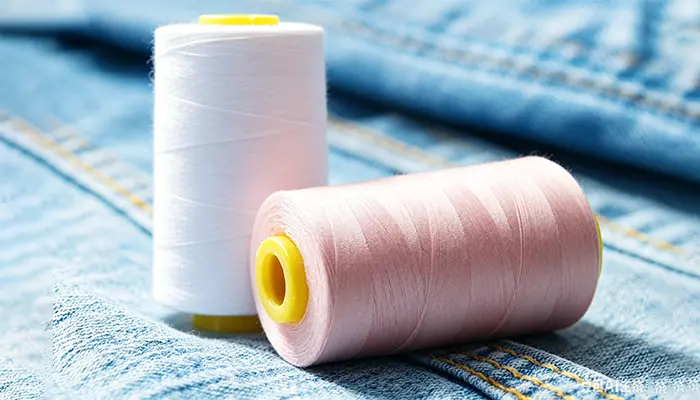
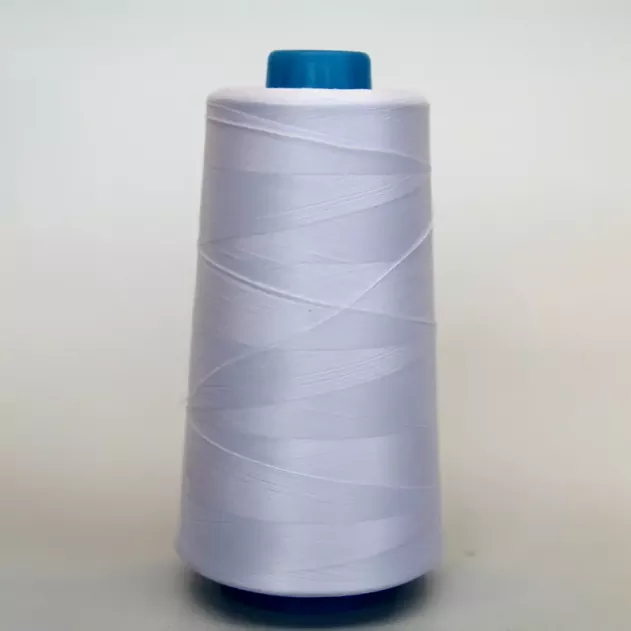
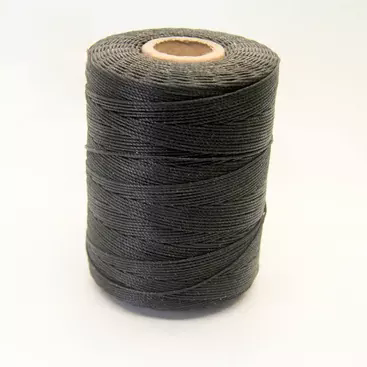
The modern textile and garment industry demands materials that consistently deliver strength, uniformity, and resilience under high-speed production conditions. Among the most critical components is the sewing thread, often overlooked until a seam fails. A prime example of engineering refined for durability is TFO Spun Polyester Sewing Thread, a product category that has quietly revolutionized apparel, upholstery, and leather goods manufacturing. Unlike conventional threads that may fray or snap under tension, TFO (Two-For-One) twisted spun polyester threads offer a distinct combination of stability, abrasion resistance, and colorfastness. This type of thread is produced by twisting multiple strands of spun polyester fiber in a single operation that delivers two twists for every revolution, creating a balanced and compact yarn structure. The result is a thread with minimal torque, fewer protruding fibers, and significantly higher seam strength. For factories and workshops aiming to reduce downtime and produce aesthetically superior stitches, understanding this thread’s technical profile is not just academic but a direct contributor to operational efficiency. Our TFO Spun Polyester Sewing Thread series includes products such as 100% TFO Spun Polyester Sewing Thread, Polyester Sewing Thread 40/2 500M, etc.
How TFO Technology Elevates Thread Quality
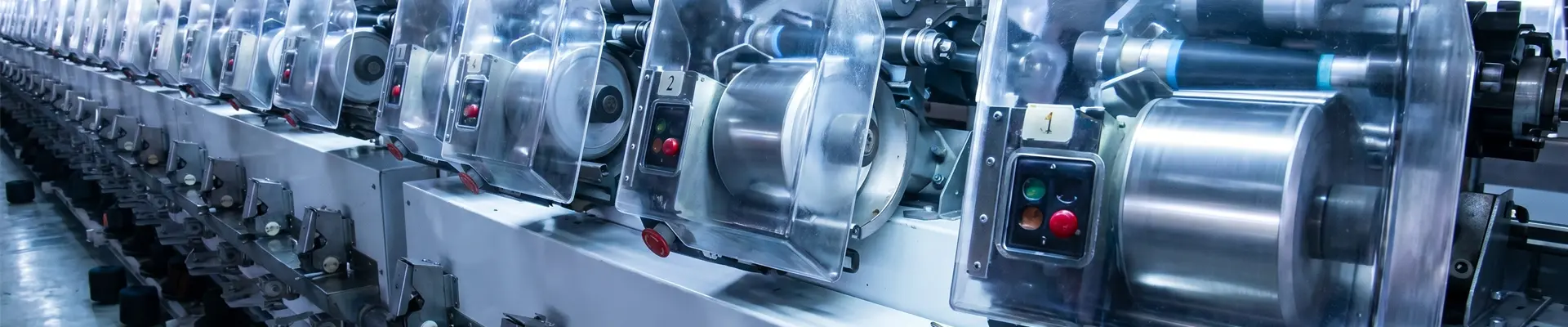
The designation “TFO” stands for Two-For-One twisting, a yarn manufacturing innovation that fundamentally alters thread dynamics. In a traditional ring-twisting system, each spindle revolution inserts one twist. TFO machines insert two twists per revolution, which means the yarn is twisted in a single step directly from two supply packages. This process produces a thread with exceptionally even twist distribution along its entire length. Because the yarn is formed under controlled tension without the ballooning inherent to ring twisting, the fiber alignment is superior. Operators will notice fewer slubs, thin places, and knots. From a stitching perspective, the thread passes through the needle eye smoothly and forms loops predictably, reducing skipped stitches and thread breakage rates by up to 30% on automated lines compared to conventional spun poly thread.
JOHNSON has invested in advanced TFO machinery with online quality monitoring that continuously checks twist per inch and detects deviations in real time. This ensures that every lot of TFO Spun Polyester Sewing Thread leaving the factory adheres to the declared specifications. For manufacturers of high-value items like automotive upholstery, outdoor furniture, and safety harnesses, this consistency is non-negotiable.