News

Which bonded nylon threads cut high-speed sewing downtime and cross-border product return rates?

2026-08-05 0 Leave me a message

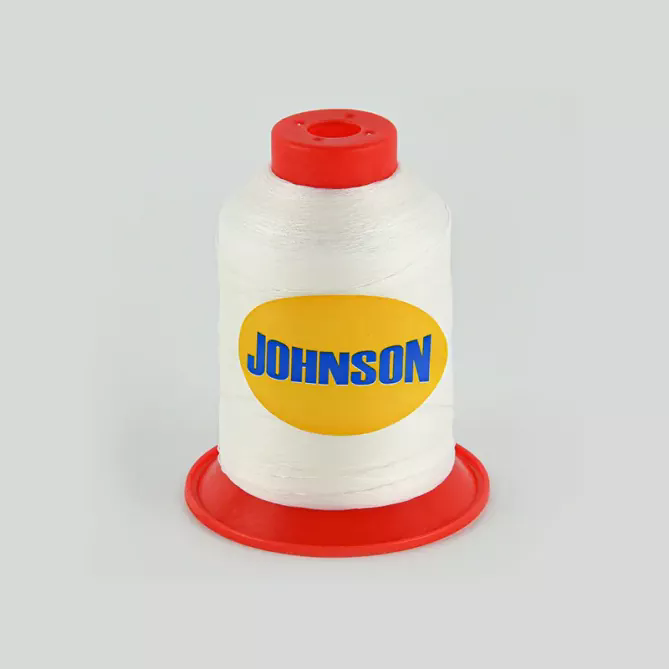
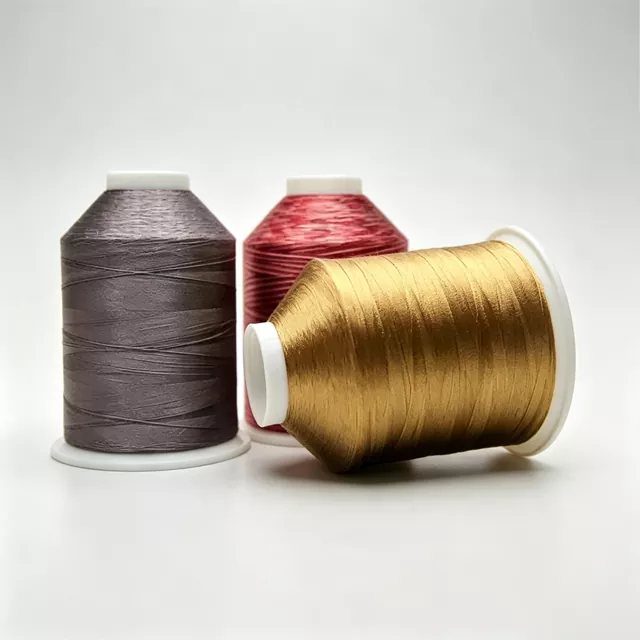
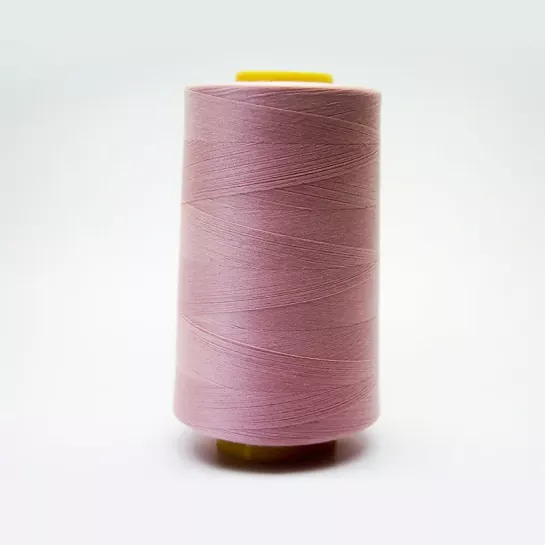
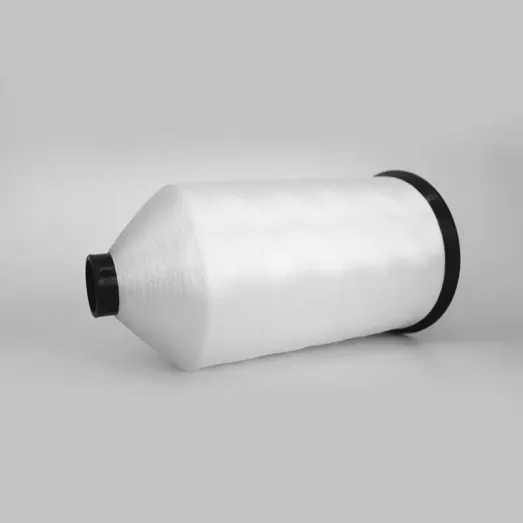
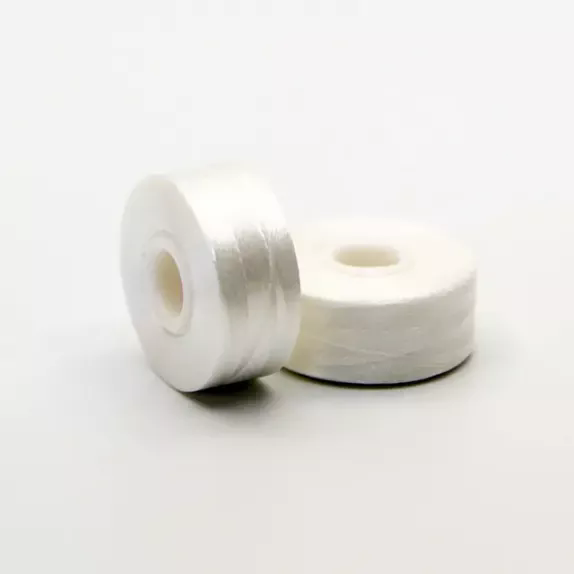
Manufacturers of automotive interiors, outdoor tarpaulins, safety lifting slings and leather footwear constantly face two hidden losses brought by ordinary spun sewing threads: frequent yarn breakage and lint accumulation on 5000+ SPM assembly lines trigger repeated machine halt and needle replacement labor cost; high elongation unstable seams deform under long-term vibration or outdoor weather exposure, triggering mass after-sales returns and brand reputation losses in European and American markets. Most generic thread suppliers only provide single thickness without complete color matching and batch stability control, forcing factories to split orders from multiple vendors and increase raw material inspection workload. JOHNSON nylon boned sewing thread adopts continuous filament hot stretching composite craft with molecular lubrication treatment, covering full denier specification matrix and strict whole-process quality monitoring, solving production line shutdown and finished product seam failure pain points for technical textile manufacturers.

1. Lint-free continuous filament structure eliminates high-speed sewing machine blockages

Conventional spun thread is composed of broken short fibers; a large amount of flying lint accumulates on needle eyes, looper and conveyor plates during high-speed continuous sewing, requiring frequent machine shutdown for cleaning and shortening needle service life. This boned thread is made of integral long filament without scattered fiber ends, generating zero lint friction during long-hour assembly line operation. Factories can extend continuous production cycles by 30% or more, reduce maintenance worker frequency and cut needle replacement auxiliary material expenditure for mass sewing workshops.

2. Thermal fixed low elongation avoids long-term seam deformation complaints

Untreated ordinary nylon thread has high elastic stretch; after vehicle long-distance vibration or outdoor sun and rain aging, stitching lines shrink or loosen, forming wrinkled uneven seams on car seats, tents and luggage, leading to consumer returns. JOHNSON proprietary hot stretching process locks filament dimensional stability, controlling breaking elongation below 15%. Whether applied to automotive interior vibration-resistant stitching or geotextile long-term buried seams, the stitch shape remains consistent without puckering, greatly lowering cross-border e-commerce finished product return ratio caused by defective seams.

3. Chemical molecular lubrication reduces needle high-temperature melting failure

Simple surface wax-coated thread loses lubrication quickly under high-speed friction, needle temperature rises sharply to melt yarn and cause instantaneous breakage, disrupting production rhythm. The factory’s penetrating micromolecular lubricant fuses with filament interior instead of attaching to the surface, continuously lowering friction heat even under 5000 stitches per minute. It effectively prevents thread melting breakage and needle gum deposition, stabilizing loop formation for lockstitch and chainstitch equipment and improving overall line hourly output.

4. Full denier gradient adapts multi-industry mixed production lines

Most thread factories only stock partial medium thickness specifications, unable to match thin high-end apparel invisible stitching and heavy sling high-tension sewing at the same time. This boned thread series covers 150D fine type to 3000D ultra-heavy full denier range, one supplier meets the raw material demand of light garment, sofa mattress, safety shoe and geotextile four major production categories. Procurement departments no longer need to coordinate multiple yarn suppliers, simplifying raw material warehousing and batch incoming inspection management.

5. 500+ color matching & small-batch custom dye shortens new product R&D cycle

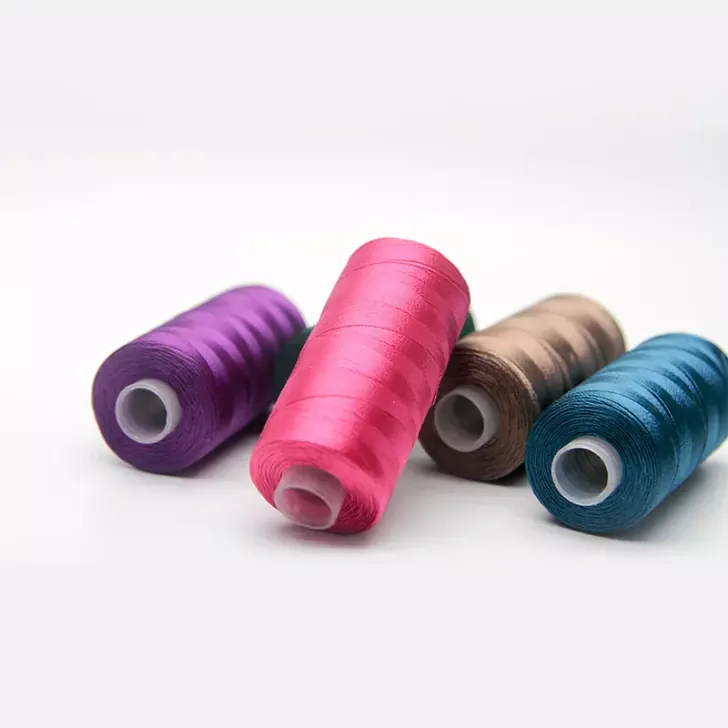
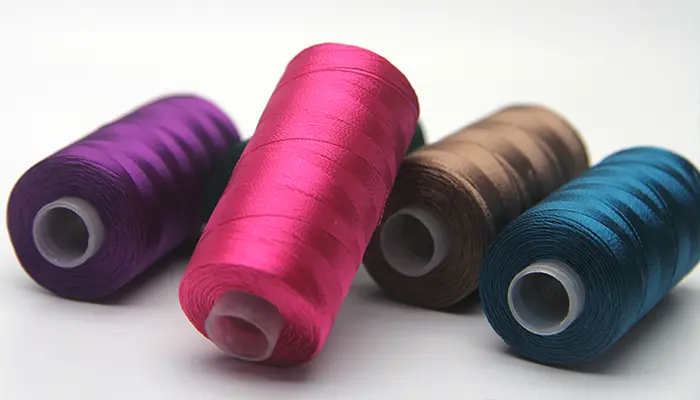
General thread manufacturers only maintain less than 100 conventional colors, custom dye batches have high MOQ and long delivery cycles, delaying new fabric sample development progress. JOHNSON internal color laboratory supports Pantone/RAL color matching, custom dye minimum order as low as 5kg with 5-7 working day lead time. Furniture, luggage and footwear brands can quickly complete new product small batch trial sewing without waiting large stock yarn production, accelerating new style launch rhythm for cross-border seasonal orders.

6. Whole-process traceable quality archives smooth overseas factory audits

Small thread workshops lack standardized batch inspection records; when automotive and geotextile brands conduct IATF or EU textile third-party audits, incomplete raw material test documents delay order cooperation. Every cone of boned thread passes raw material viscosity detection, denier tolerance screening, abrasion cycle test and color spectrophotometer verification, with complete batch inspection reports attached to each shipment. The traceable quality system helps technical textile manufacturers smoothly pass international supplier factory audit without supplementary third-party testing fees.

Related News
Leave me a message
X
We use cookies to offer you a better browsing experience, analyze site traffic and personalize content. By using this site, you agree to our use of cookies.Privacy Policy
RejectAccept