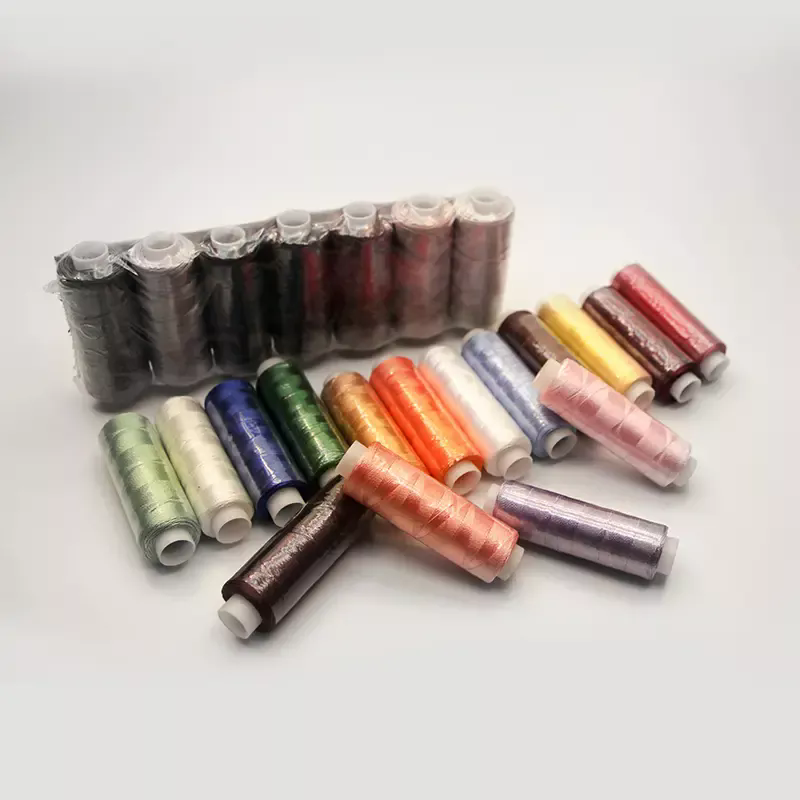
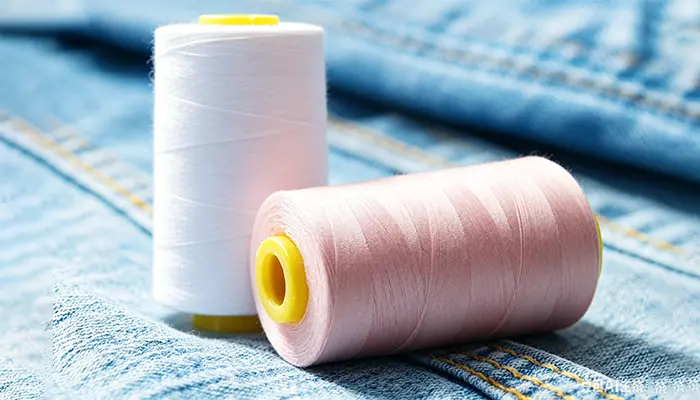
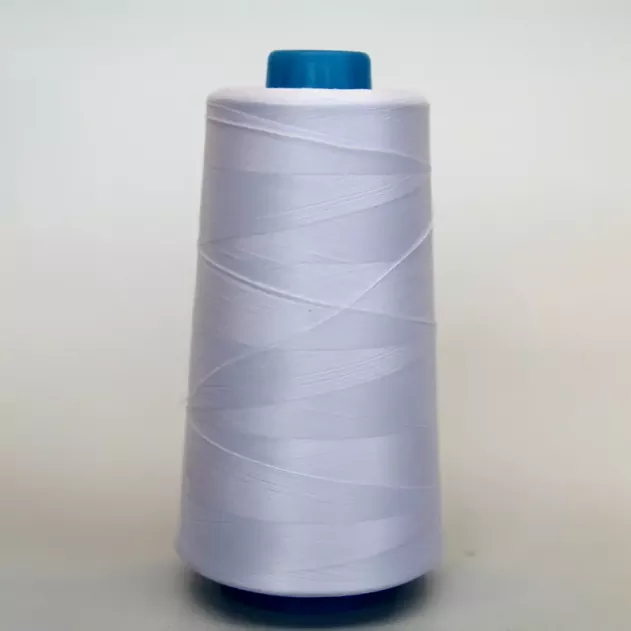
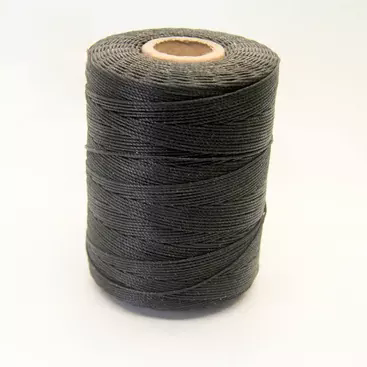
In the world of mattress manufacturing, every small component matters, but few elements hold the structure together quite like Mattress Quilting Thread. This specialized thread is the unsung hero that holds layers of fabric, foam, and padding in place, ensuring the quilted surface stays smooth, durable, and aesthetically pleasing for years. Whether you run a large-scale bedding factory or a boutique mattress workshop, choosing the right quilting thread directly impacts production efficiency, final product quality, and customer satisfaction.
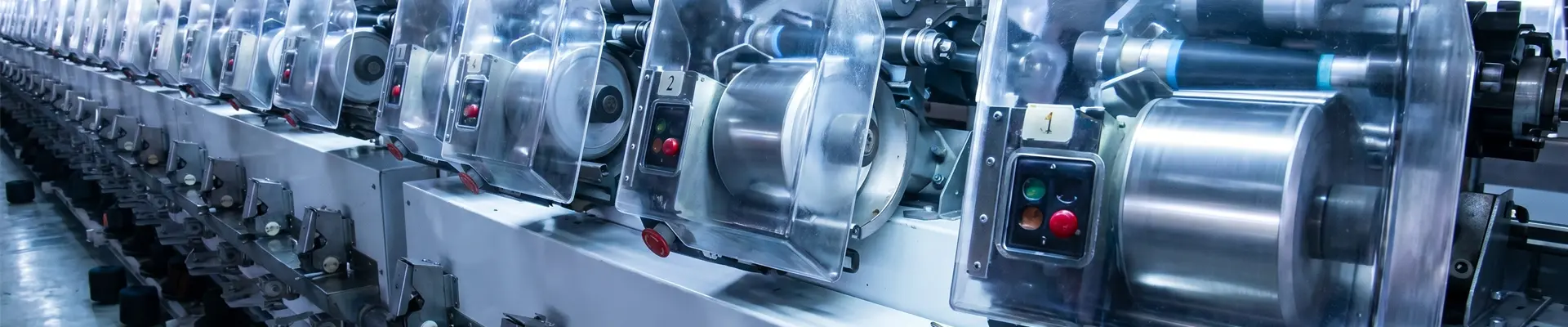
At JOHNSON, we have spent over two decades refining industrial sewing threads, and our mattress quilting line is engineered to meet the most demanding requirements. We understand that mattress quilting machines run at high speeds, often 1,500 to 3,000 stitches per minute, and thread must withstand extreme friction, heat, and tension without breaking. That’s why our products are built from premium raw materials, coated with advanced lubricants, and tested for consistency across every single cone.
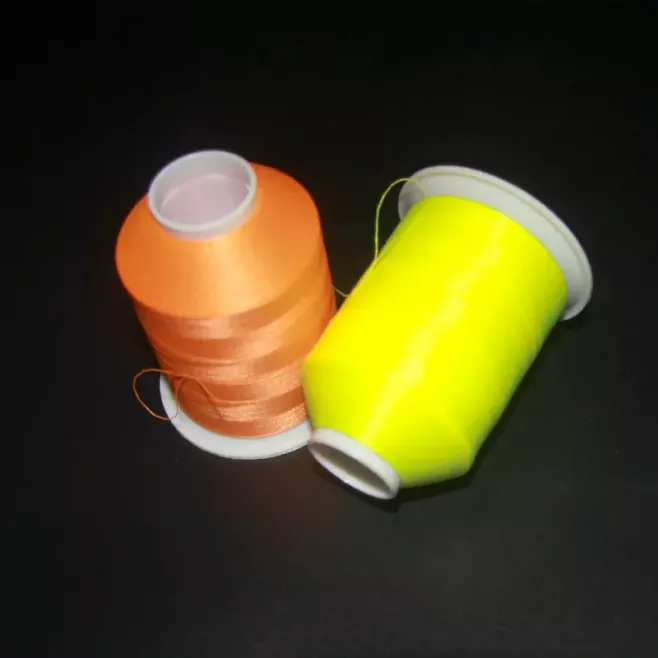
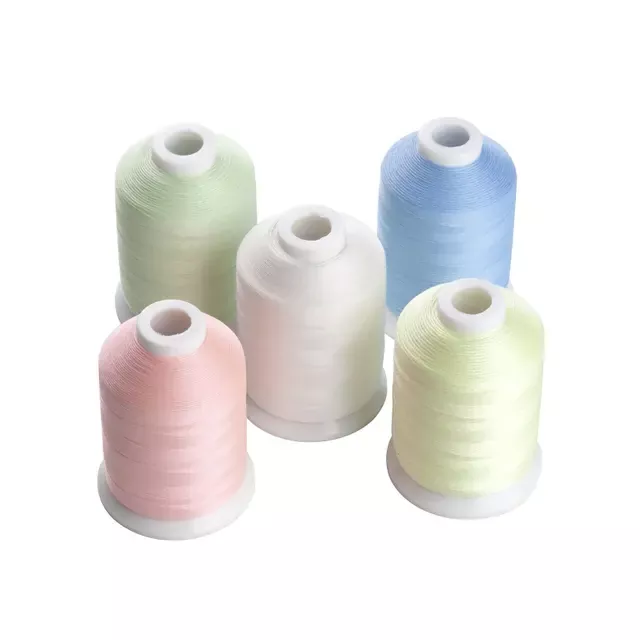
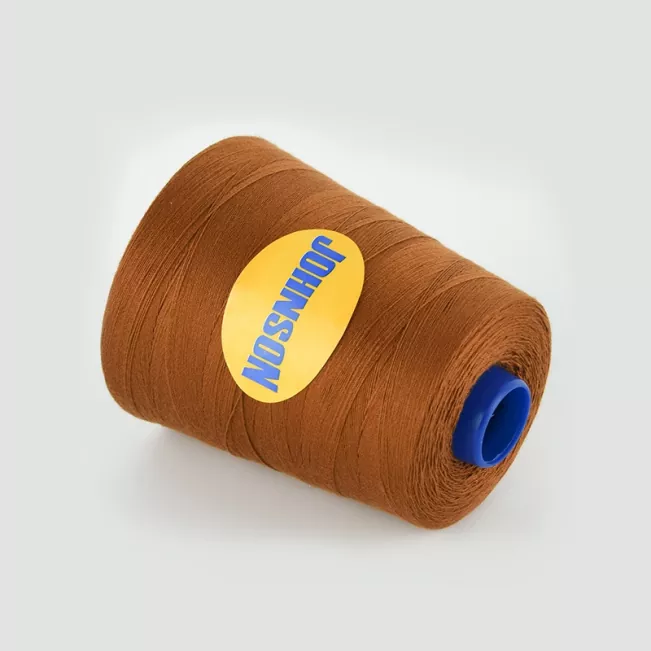
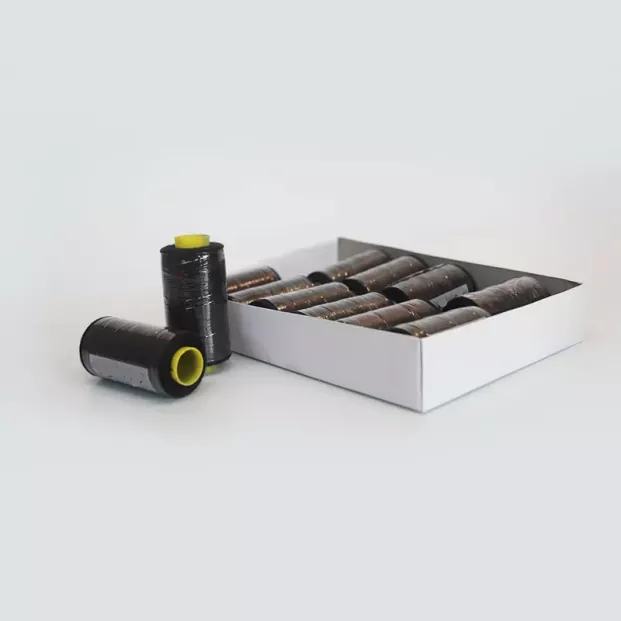
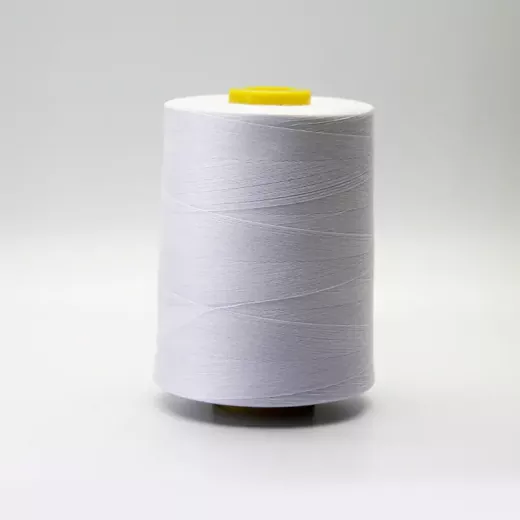
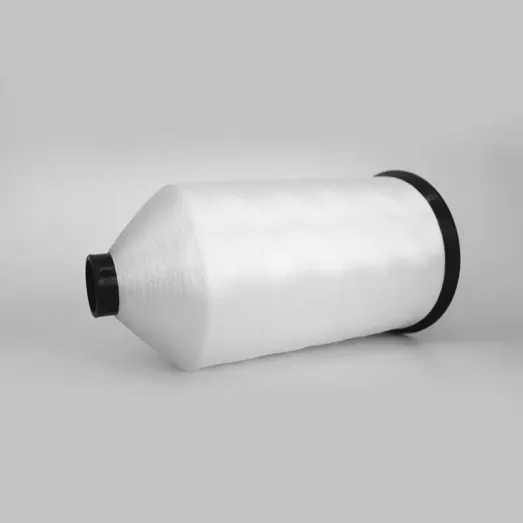
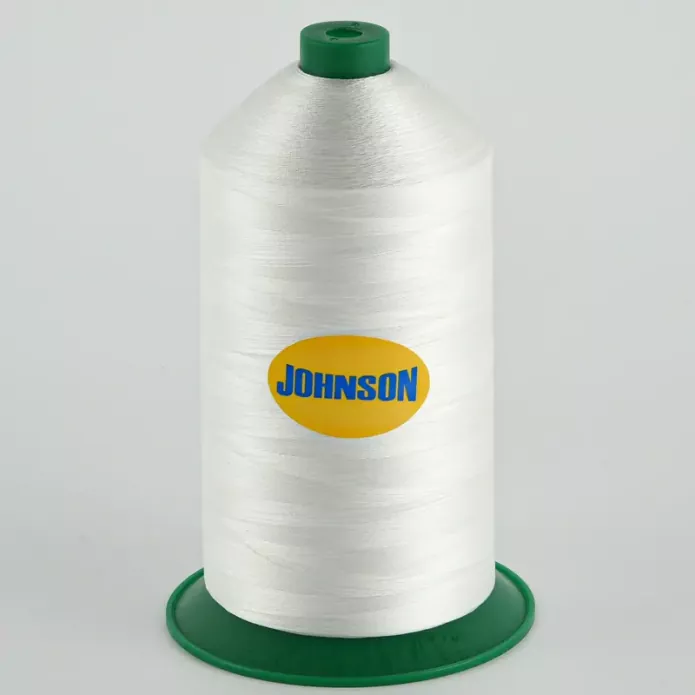
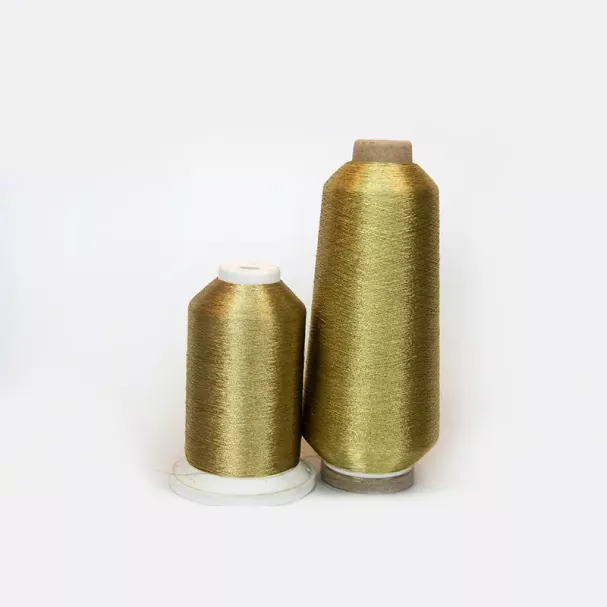
Our Mattress Quilting Thread series includes products such as Mattress Quilting Thread 150D/3, Mattress Quilting Thread 210D/3, and so on.
Why Mattress Quilting Thread Demands Special Attention
Unlike standard sewing thread used in apparel, mattress quilting thread operates in a completely different environment. Quilting on a mattress involves multiple thick layers—typically a top decorative fabric, one or more foam sheets, a non-woven backing, and sometimes a fire-resistant barrier. The needle must pierce these dense materials repeatedly, and the thread is pulled through tiny needle eyes at high velocity. Low-grade thread will fray, generate excessive lint, or snap under the strain, causing machine downtime and inconsistent stitch patterns.
JOHNSON engineers its mattress quilting thread to minimize these risks. We use high-tenacity filament polyester or nylon 6.6 cores, coupled with special bonding techniques. The thread’s elongation and recovery properties are precisely controlled so that after the needle retracts, the stitch tightens just enough to hold layers securely without puckering the top fabric. This is critical for maintaining a flat, luxurious mattress surface that appeals to consumers.