News

How Does Hot-Stretched Nylon Boned Sewing Thread Fix Seam Deformation & High-Speed Sewing Failures?

2026-07-30 0 Leave me a message

Manufacturers of automotive interiors, safety slings, outdoor tarpaulins and heavy footwear frequently face two major production losses: unstable stitches that shrink or loosen after finished product use, and frequent thread breakage during high-speed automated sewing lines. Ordinary spun polyester or common unprocessed nylon threads cannot withstand long-term friction, tensile load and temperature changes, leading to high reject rates and frequent machine downtime. As a thread manufacturer with complete independent production lines, Johnson Thread develops proprietary hot-stretched nylon boned sewing thread, optimizing filament structure, thermal shaping and molecular lubrication technology to solve multi-dimensional pain points for heavy-duty sewing factories.

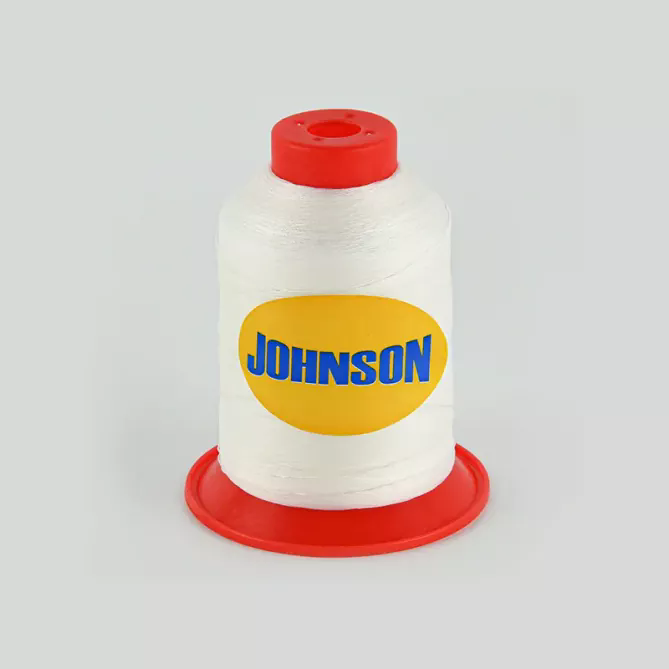
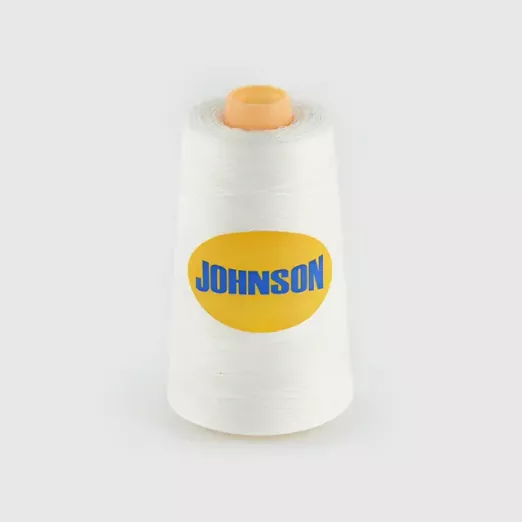
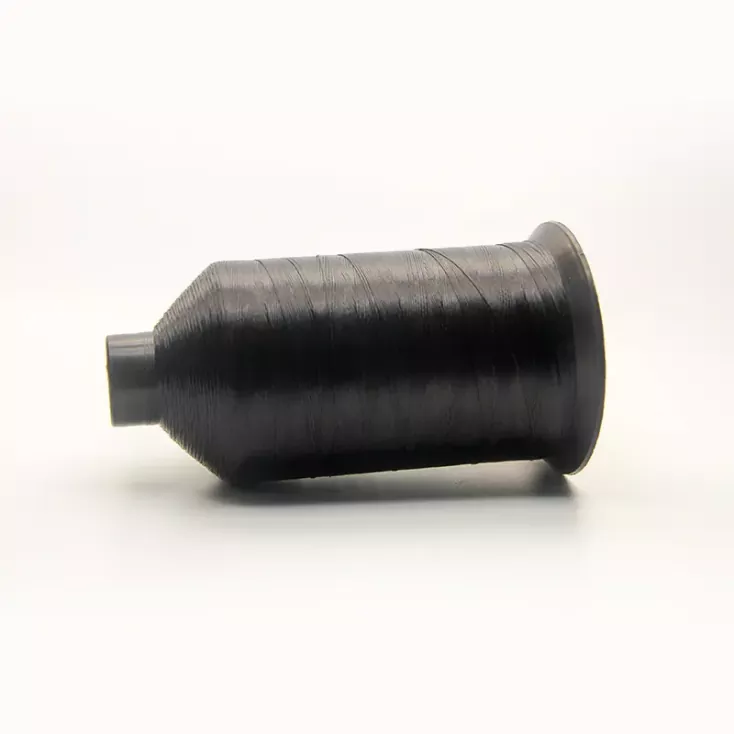
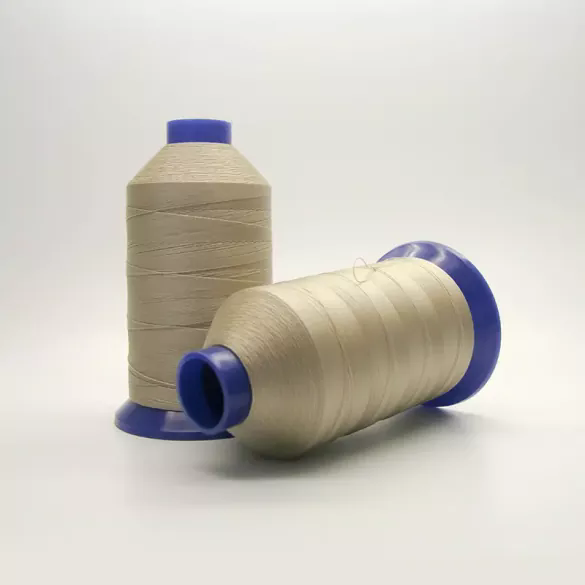
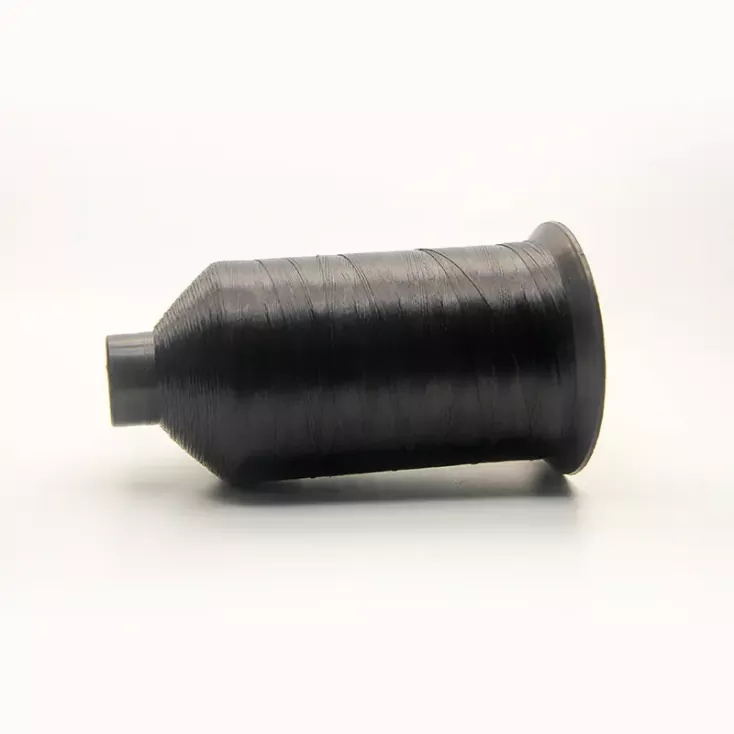
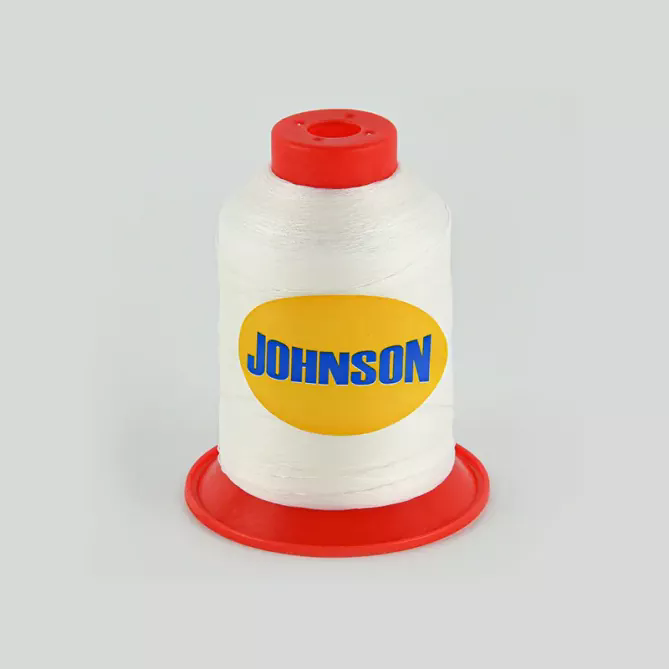
Nylon Boned Sewing Thread

1. How continuous filament boned structure avoids lint and filament breakage?

Conventional spun threads are composed of short staple fibers, which continuously shed lint during high-speed sewing. Lint accumulates on needle plates and looper parts, causing machine blockages and irregular stitching. Johnson nylon boned thread adopts integrated continuous filament raw material and professional bonding molding process. All filaments are tightly locked without loose short fibers, effectively eliminating pilling and lint generation. The smooth uniform outer surface reduces friction abrasion when passing through needles and multi-layer thick fabrics, greatly extending the service life of sewing needles and lowering equipment maintenance frequency for mass production workshops.

2. Why proprietary hot-stretching treatment achieves ultra-low elongation performance?

General nylon sewing threads feature large elastic elongation under tension. After sewing automotive seats, geotextile panels and safety harnesses, long-term vibration and pulling will cause stitches to shrink, pucker or loosen, seriously affecting product structural safety. Johnson adds precise computer-controlled hot stretching procedures after dyeing the yarn, which locks the dimensional stability of the thread permanently. The break elongation rate is controlled below 15%, and the stitch shape remains unchanged under continuous load. This core technology solves the industry-wide difficult problem of seam deformation for safety-critical products.

3. What advantages does molecular lubrication bring to continuous high-speed sewing lines?

Most ordinary sewing threads only add surface wax coating, which melts easily under high-speed friction heat and sticks to needles, resulting in thread snapping and messy stitch loops. Johnson adopts chemically bonded micromolecular lubricant that penetrates the filament interior rather than simply attaching to the surface. It can continuously reduce friction heat under 5,000+ stitches per minute production speed, prevent needle gumming, stabilize stitch loop forming for lockstitch and chainstitch machines, and cut the frequency of line breakage shutdowns, significantly improving the daily output of automated sewing workshops.

4. How full denier range and color customization cover diversified heavy-duty production demands?

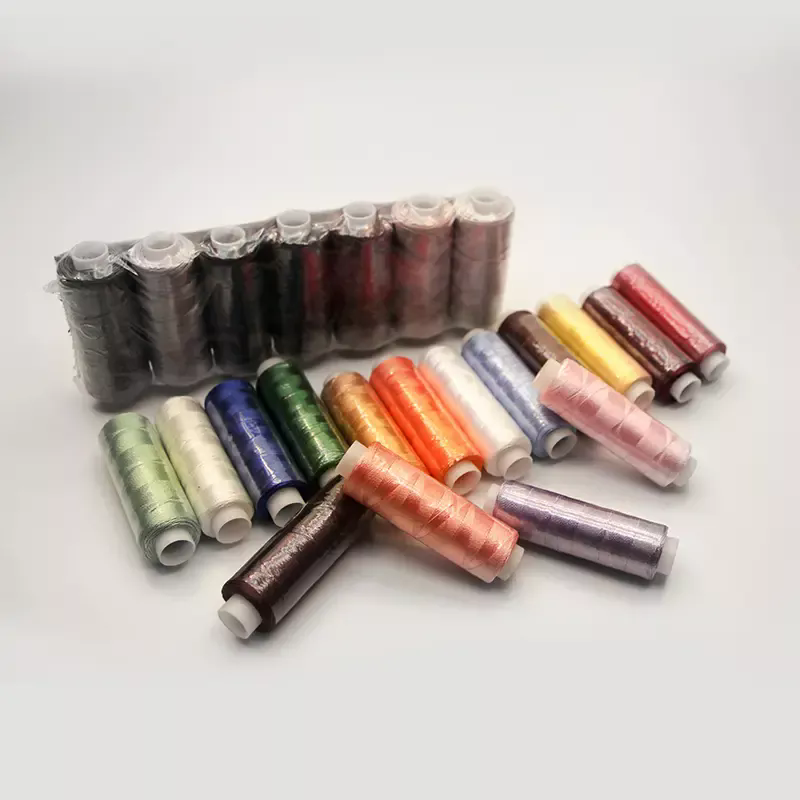
Different industrial finished goods require differentiated thread thickness: lightweight tents and high-end fashion need fine denier invisible stitching, while safety belts and lifting slings demand ultra-heavy high-tensile threads. Johnson provides complete specifications covering fine, medium and heavy deniers from 150D to 3000D, matching all mainstream sewing scenarios including footwear, upholstery, outdoor fabrics and geotextiles. The factory owns an independent color matching laboratory supporting Pantone, RAL and fabric swatch color matching, with flexible MOQ for custom dyed yarn, helping brands achieve unified color coordination between fabrics and stitches without long waiting cycles.

5. What anti-abrasion and moisture-proof properties support long-term outdoor product service life?

Tarpaulins, tents and outdoor luggage often contact concrete, rain and humid air during use. Common threads are prone to fraying, mildew and strength attenuation after long-term exposure. Johnson nylon boned thread undergoes strict abrasion testing and features low moisture regain below 0.4%. It resists mildew, rot and surface wear when dragged or rubbed repeatedly. For outdoor and marine products, stable tensile strength can be maintained for years, reducing after-sales quality complaints caused by broken seams for brand merchants.

6. How factory full-process quality control stabilizes bulk order supply reliability?

Many thread suppliers outsource spinning, dyeing and finishing, leading to inconsistent thickness, color difference and unstable tensile strength between batches. Johnson operates a fully vertical production chain, conducting full-process testing including raw material viscosity detection, denier tolerance monitoring, hot stretching tension calibration, lubricant content inspection and spectrophotometer color verification before delivery. Each batch of products has complete traceability records, matched with moisture-proof vacuum packaging to protect thread performance during long-distance sea transportation, avoiding quality fluctuations for global bulk procurement clients.

Related News
Leave me a message
X
We use cookies to offer you a better browsing experience, analyze site traffic and personalize content. By using this site, you agree to our use of cookies.Privacy Policy
RejectAccept