News

Which hidden factory risks stem from non-compliant heavy-duty sewing filament?

2026-08-14 0 Leave me a message
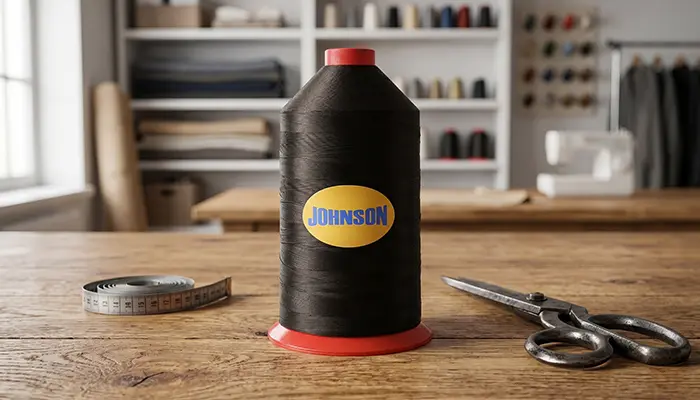
Procurement supervisors of sling, automotive upholstery and outdoor tarpaulin factories face four irreversible hidden operational risks when sourcing generic bonded thread: substandard tensile strength fails EU EN 1492 safety standards and triggers full batch cargo rejection; uneven lubrication leads to frequent needle burnout on high-speed sewing equipment; scattered thread suppliers split thin/medium/heavy spec orders and inflate inventory capital; unstable dye batches cause inconsistent finished goods color for global brand clients. Johnson vertical integrated nylon boned thread factory covers full denier spectrum with proprietary molecular lubrication and standardized batch testing, eliminating safety audit failure, machine downtime, multi-supplier overhead and color deviation risks for safety-critical textile manufacturers worldwide.


1. Standardized tensile performance passes EU sling safety certification audits

Generic bonded filaments use low-grade recycled polymer chips with unstable knot strength, unable to meet EN 1492 minimum 7:1 safety factor requirements for lifting sling production. Third-party safety inspectors will detain export containers without complete ISO 2062 tensile test records, generating heavy fines and order delays. Johnson adopts prime virgin PET raw material and controlled twisting technology, retaining over 92% original tensile strength after 5,000 abrasion cycle tests. Every shipment carries full English test documents including breaking force, elongation and shrinkage data, enabling one-pass TÜV notified body audit without supplementary lab testing fees for safety textile exporters.

2. Proprietary molecular lubrication cuts high-speed sewing equipment downtime

Cheap thread applies thick surface wax coating that accumulates on needle and shuttle after continuous production, causing overheating, thread snapping and frequent line cleaning shutdowns. Factories operating 6,000 SPM automated sewing machines lose dozens of production hours weekly due to lubricant residue failures. Johnson’s chemical-bonded micro lubricant evenly distributes on each filament without wax buildup, maintaining stable tension over long shifts. Real workshop data verifies machine pause frequency related to needle damage drops over 65, lifting daily finished sling and automotive seat output without extra staffing shifts.

3. Full denier spec range realizes single-supplier unified procurement

Most thread manufacturers only produce partial thickness ranges, forcing factories with mixed footwear, mattress and sling production to cooperate 2–3 vendors separately. Split orders generate multiple sea freight bills and scattered inventory management labor costs. Johnson’s product matrix covers ultra-fine 50D/2 to ultra-heavy 1890D/3 full specifications, covering light tailoring, medium upholstery and load-bearing sling scenarios. Procurement teams consolidate all thread demand into one bulk order, simplifying monthly stocktaking and gaining unified volume negotiation discounts to lower comprehensive textile consumable expenditure year-round.

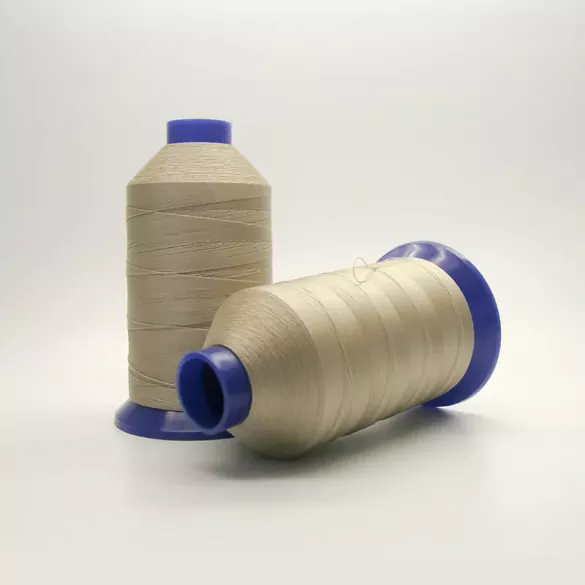
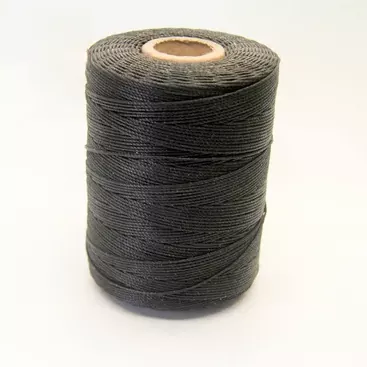
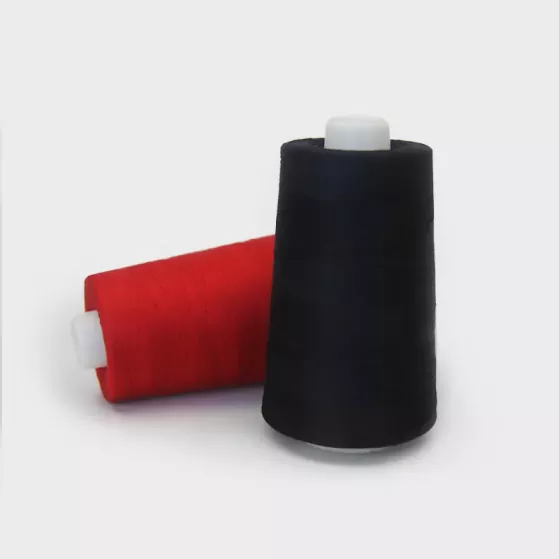
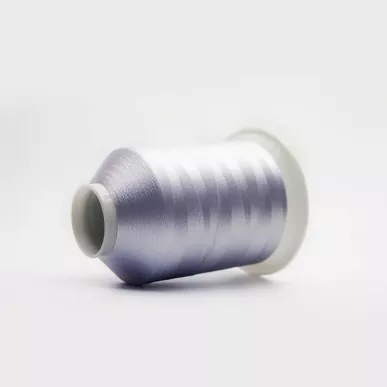
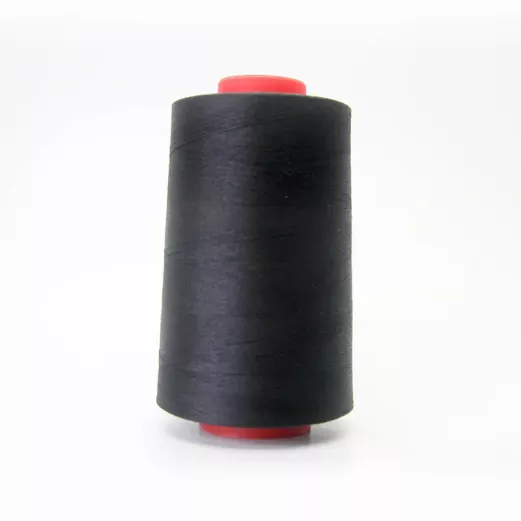
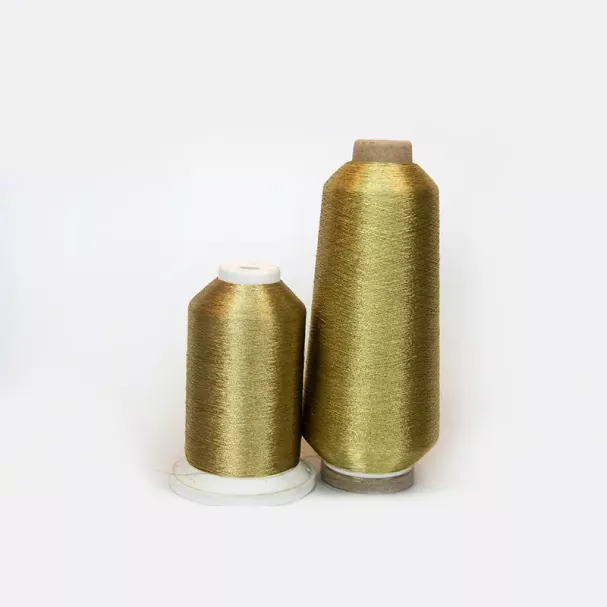
Nylon Boned Thread

4. Closed thermosol dyeing controls batch chromatic aberration for brand export orders

Small dye workshops adopt open intermittent dye lines with unstable temperature control, creating obvious ΔE color deviation between different production lots. Global brand buyers with multi-batch split shipments reject inconsistent colored finished tarpaulins and luggage. Johnson operates enclosed constant-temperature dyeing workshops following Pantone color matching benchmarks, with 500+ standard ready colors and small-batch custom dye support. ISO 105 light/wash fastness ratings reach 6–7 grade, guaranteeing uniform product visual effect across multi-month sequential export batches and reducing brand return rates significantly.

5. Vertical full-process production locks consistent batch quality traceability

Most thread merchants outset spinning, twisting and dyeing to scattered subcontractors, unable to provide complete full-chain material archives during factory audits. Johnson owns 25,000㎡ integrated production facility from polymer chip drying to final winding, recording each working procedure’s inspection data per batch. Complete raw material MTC, heat-setting and aging test files can be sorted and exported within one working day, speeding up global brand supplier qualification review progress for automotive and outdoor textile manufacturers.

6. Climate-resistant raw material adapts cross-region extreme service environments

Low-quality bonded thread suffers rapid strength attenuation under long-term UV radiation and temperature cycling (-40℃ to 120℃), causing automotive seat seam cracking and outdoor tent aging failure within short service life. Johnson adds dedicated UV stabilizer during melt spinning, with finished thread passing 500-hour QUV aging testing. The formula balances hydrophobicity and chemical resistance, adapting tropical marine tarpaulin, cold northern vehicle interiors and underground geotextile long-term usage demands without early seam breakdown losses.


Related News
Leave me a message
X
We use cookies to offer you a better browsing experience, analyze site traffic and personalize content. By using this site, you agree to our use of cookies.Privacy Policy
RejectAccept