News

How Does Nylon Monofilament Improve Performance in Textile Applications?

2026-08-26 0 Leave me a message

Nylon monofilament is a single, continuous synthetic filament designed to provide a useful balance of strength, flexibility, abrasion resistance, resilience, and dimensional stability. It is widely used in industrial textiles, filtration, mesh, brushes, fishing products, medical-related textile components, sewing applications, and many other specialized products. However, choosing the right monofilament is not simply a matter of selecting a nylon grade. Diameter, tensile strength, elongation, surface characteristics, operating environment, processing method, and end-use requirements can all influence performance.

This guide explains the material from a practical buyer's perspective and shows how manufacturers can evaluate nylon monofilament more effectively, reduce material-related problems, and build more consistent finished products.

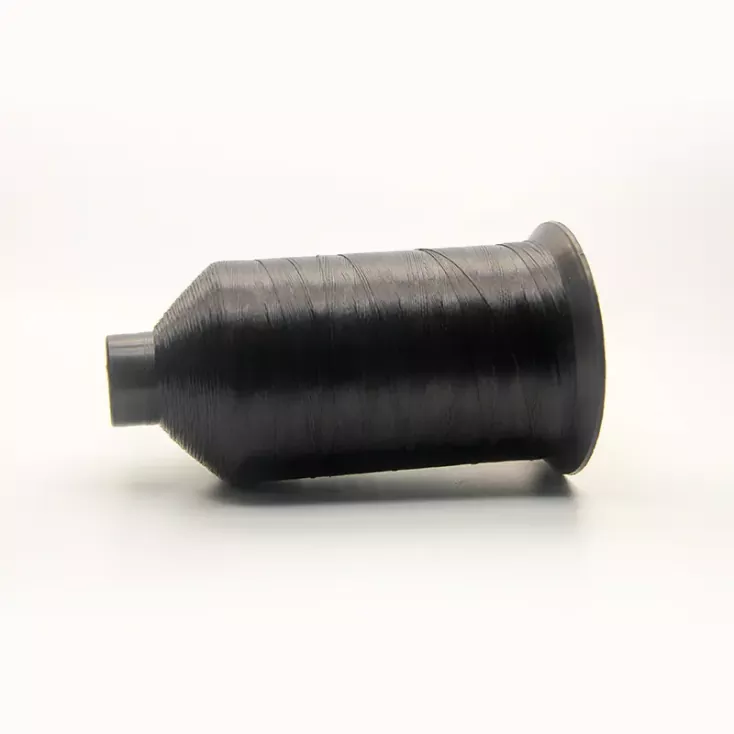
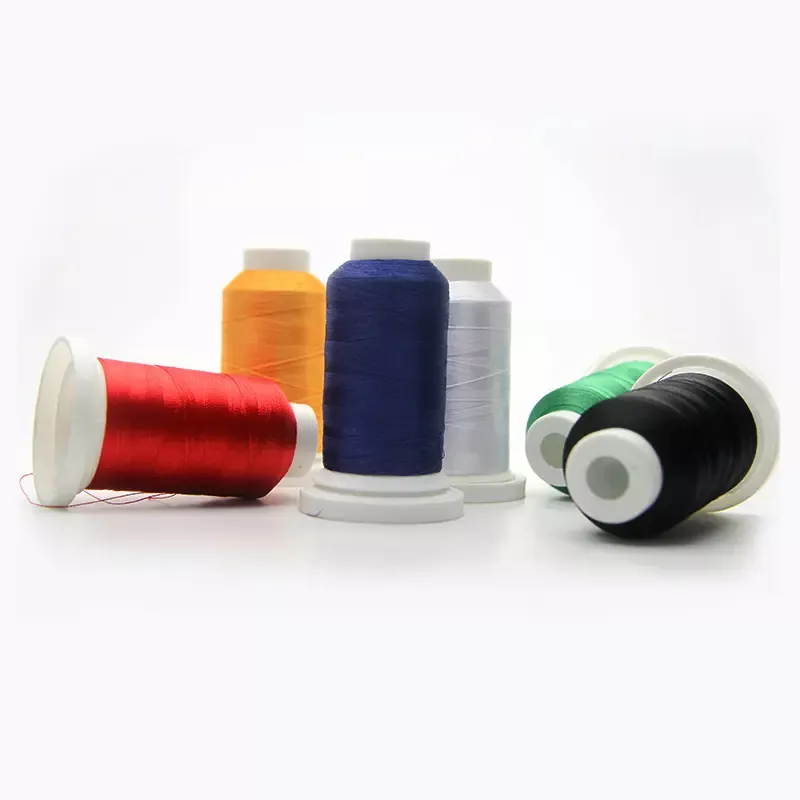
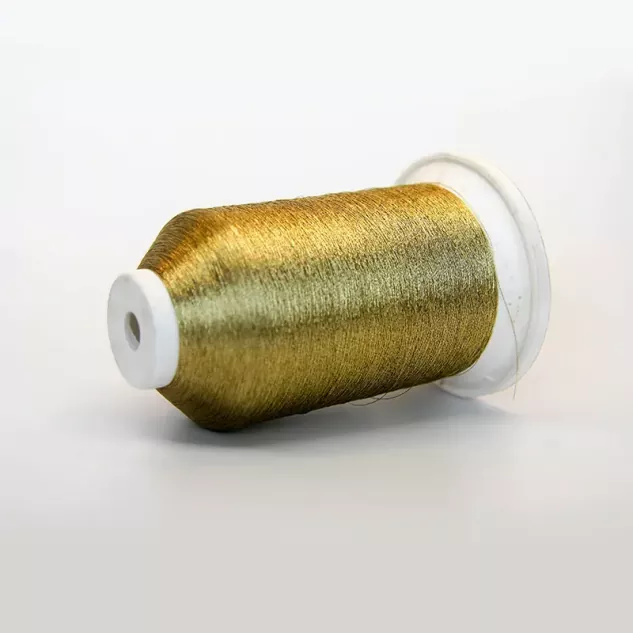
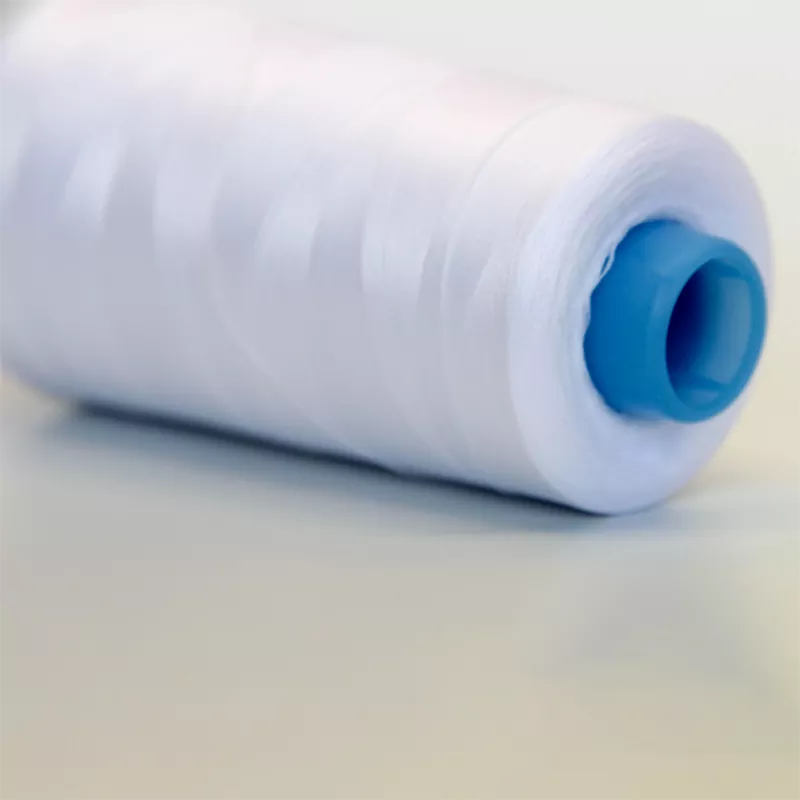
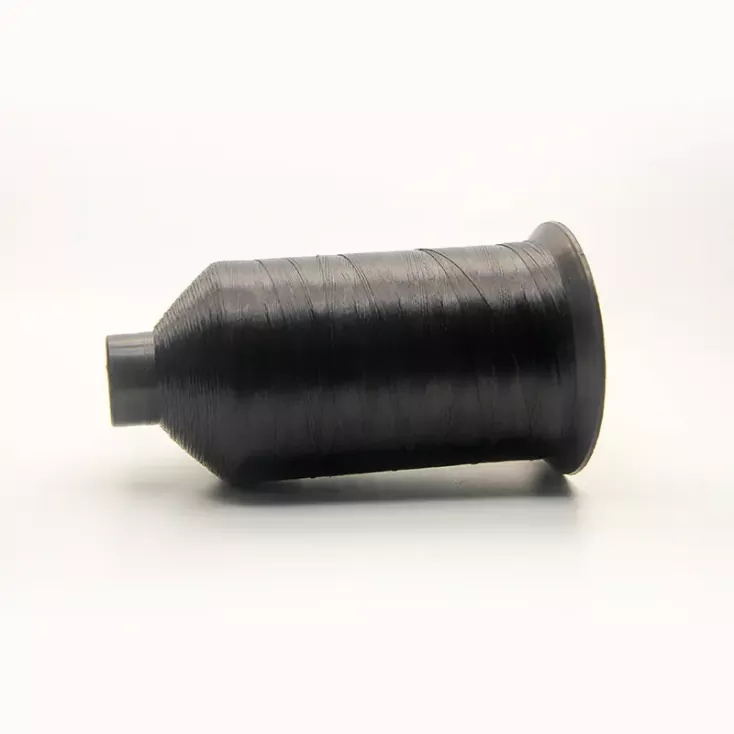
Nylon monofilament

Table of Contents

1. Understanding Nylon Monofilament

Nylon monofilament is a continuous single filament produced by melting and extruding a nylon polymer through a precision die. Unlike a yarn made from numerous fine filaments, monofilament has a relatively simple single-strand structure. This gives it a smooth surface and predictable cross-sectional profile.

The term “nylon” generally refers to a family of polyamide polymers. Different nylon types and formulations can provide different combinations of strength, toughness, flexibility, moisture response, temperature resistance, and chemical performance. For this reason, two products both described as nylon monofilament may not behave identically in service.

For manufacturers, the important point is that the filament should be selected according to the finished product rather than by price or diameter alone. A suitable material needs to perform reliably throughout production, assembly, storage, and actual use.

2. Key Material Properties That Influence Performance

Nylon monofilament is attractive for demanding textile applications because several useful properties can be combined in one material. The actual performance depends on polymer type, formulation, diameter, processing conditions, and product design.

Property Why It Matters Typical Benefit
Tensile strength Determines resistance to pulling forces Supports durable structures
Elongation Describes how the filament stretches under load Provides flexibility and resilience
Abrasion resistance Helps resist repeated rubbing Extends service life
Flexibility Affects bending and handling Improves processing and product usability
Surface smoothness Influences friction and interaction with other components Can support smoother processing

Another important characteristic is moisture absorption. Nylon can absorb moisture from its environment, which may affect dimensions, mechanical properties, and processing behavior. In applications where humidity changes are significant, buyers should evaluate the material under realistic environmental conditions rather than relying only on dry-state specifications.

3. Where Is Nylon Monofilament Used?

The versatility of nylon monofilament allows it to serve both everyday and highly specialized applications. Common uses include:

  • Filtration mesh: Used where a controlled opening structure and consistent filament dimensions are required.
  • Industrial mesh: Suitable for screening, separation, support, and protective structures.
  • Brushes: Nylon strands can provide flexibility, resilience, and abrasion resistance for various brush designs.
  • Fishing products: Selected grades can provide a useful combination of tensile performance and flexibility.
  • Textile and weaving applications: Used as functional yarn components where a continuous filament is advantageous.
  • Sewing and stitching products: Appropriate formulations can provide strength and wear resistance.
  • Technical textiles: Used in products requiring controlled filament characteristics and repeatable processing.

4. Why Does Material Selection Matter?

A small variation in filament characteristics can create noticeable differences in a finished textile product. For example, inconsistent diameter may influence mesh openings, weaving tension, surface appearance, or finished-product dimensions. Excessive variation in mechanical properties can also make production less predictable.

For manufacturers, this can translate into several common pain points:

  1. Unstable production performance.
  2. Unexpected filament breakage during processing.
  3. Inconsistent finished-product dimensions.
  4. Higher scrap and rework rates.
  5. Difficulties maintaining product specifications across batches.
  6. Reduced customer confidence in long-term consistency.

A reliable nylon monofilament specification therefore does more than define a raw material. It becomes part of the quality-control system for the finished product.

5. A Practical Nylon Monofilament Selection Checklist

Before placing an order, buyers should define the actual working requirements. The following checklist can make supplier discussions more efficient:

01. Diameter

Determine the required filament diameter and acceptable tolerance according to the application.

02. Strength

Consider the actual tensile load and safety margin required during use.

03. Flexibility

Evaluate bending, knotting, weaving, brushing, or other mechanical movements.

04. Environment

Consider moisture, temperature, sunlight, chemicals, abrasion, and outdoor exposure.

05. Surface

Check whether a smooth, uniform surface is necessary for processing or product appearance.

06. Packaging

Confirm spool, coil, length, labeling, and packaging requirements before mass production.

6. Quality Control: The Details Behind Consistency

Quality control should cover more than visual inspection. A professional purchasing process can include dimensional, mechanical, appearance, and packaging checks.

Inspection Area What to Check
Diameter Uniformity and tolerance across the production lot
Tensile performance Strength and elongation against the agreed specification
Appearance Surface defects, contamination, unevenness, or visible damage
Winding Spool organization, tension consistency, and ease of unwinding
Packaging Protection from contamination, moisture, and transportation damage

For repeat orders, retaining approved samples and documented specifications can also help buyers compare future batches against an established reference. This is particularly useful when nylon monofilament is incorporated into products with tight dimensional or performance requirements.

7. Common Nylon Monofilament Problems and Practical Solutions

Problem: Filament Breakage During Processing

Breakage may result from unsuitable material characteristics, excessive processing tension, sharp contact points, inconsistent diameter, or inappropriate processing conditions. Reviewing both the filament specification and machine settings is usually more effective than changing only one factor.

Problem: Inconsistent Finished Dimensions

When monofilament diameter or processing behavior varies, the finished mesh, woven structure, or assembled product may show dimensional differences. Establishing clear tolerances and inspecting samples from different portions of a production lot can help identify variation earlier.

Problem: Material Performance Changes in Different Environments

Nylon is sensitive to moisture, and environmental conditions can influence its behavior. If the product will operate outdoors, in humid areas, or under temperature changes, qualification testing should reflect those conditions rather than relying exclusively on laboratory data obtained under a single standard environment.

8. Nylon Monofilament vs. Multifilament

Understanding the structural difference between monofilament and multifilament helps buyers choose the appropriate textile material.

Feature Monofilament Multifilament
Structure Single continuous filament Multiple fine filaments
Surface Generally smooth and defined More fibrous filament structure
Typical advantage Dimensional definition and controlled strand geometry Softness, drape, and textile-like hand
Typical uses Mesh, screening, brushes, technical products Apparel, soft textiles, fabrics, technical yarns

Neither structure is universally better. The correct choice depends on the product's mechanical, visual, processing, and environmental requirements.

9. Smart Purchasing Considerations for Nylon Monofilament

When sourcing nylon monofilament, buyers should look beyond the initial quotation. A lower unit price may not represent a lower overall production cost if the material causes higher breakage, greater waste, unstable processing, or inconsistent finished products.

  • Ask for a clear technical specification before approving a product.
  • Confirm diameter, tolerance, strength, elongation, and other application-specific requirements.
  • Request samples for machine trials when the material will be used in a new application.
  • Compare samples under actual production conditions rather than relying only on appearance.
  • Discuss packaging and storage requirements before shipment.
  • For repeat orders, maintain an approved specification and reference sample.
  • Evaluate supplier communication, consistency, technical support, and production capability alongside price.

10. Frequently Asked Questions

What is nylon monofilament?

Nylon monofilament is a continuous single-strand synthetic filament produced from nylon polymer. It is valued for characteristics such as strength, flexibility, resilience, abrasion resistance, and a smooth surface.

Is nylon monofilament suitable for outdoor applications?

It can be suitable for certain outdoor applications, but the specific grade and formulation should be evaluated for sunlight, moisture, temperature, chemicals, and expected service life. Outdoor qualification should reflect the actual environment.

How does diameter affect nylon monofilament performance?

Diameter affects strength, stiffness, flexibility, surface area, weight, and the geometry of products such as mesh. A larger diameter may provide greater mechanical robustness, while a smaller diameter can support finer structures and greater flexibility.

Can nylon monofilament be customized?

Depending on the manufacturer and application, specifications such as diameter, color, packaging, length, and certain performance characteristics may be customized. Buyers should provide detailed technical requirements when requesting a customized solution.

What information should be included in a nylon monofilament inquiry?

Useful information includes the intended application, diameter, tolerance, strength requirements, elongation expectations, operating environment, color, packaging, estimated order quantity, and any applicable product standards or internal specifications.

11. Final Thoughts

Nylon monofilament is a versatile engineering-oriented textile material that can deliver a strong balance of mechanical performance, flexibility, abrasion resistance, and processing convenience. Its value becomes particularly clear when consistent filament geometry and reliable performance are important to the finished product.

For manufacturers, the most effective sourcing strategy is to define the application first and then match the filament specification to the actual operating conditions. Diameter, mechanical properties, environmental exposure, processing requirements, quality consistency, and packaging should all be considered before mass production.

Ningbo Johnson Textile Co.,Ltd. can be considered as a supplier resource when you are evaluating nylon monofilament for textile and industrial applications. A detailed technical discussion can help clarify material requirements, sampling needs, specifications, and order expectations.

Need the Right Nylon Monofilament for Your Application?

Do not let inconsistent filament quality, unsuitable specifications, or unexpected production problems increase your total cost. Contact Ningbo Johnson Textile Co.,Ltd. to discuss your application, required specifications, sampling needs, and purchasing requirements.

Contact us today to explore a nylon monofilament solution suited to your production needs.


Related News
Leave me a message
X
We use cookies to offer you a better browsing experience, analyze site traffic and personalize content. By using this site, you agree to our use of cookies.Privacy Policy
RejectAccept