News

How Can Flat Braided Waxed Sewing Thread Solve Footwear & Leather Factory Sewing Bottlenecks?

2026-07-30 0 Leave me a message

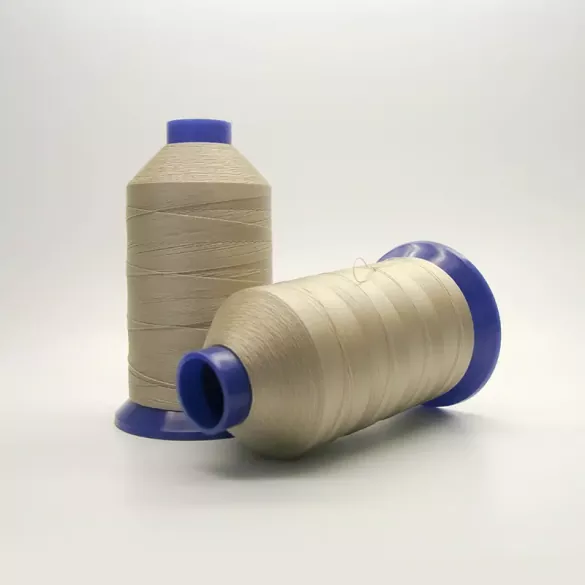
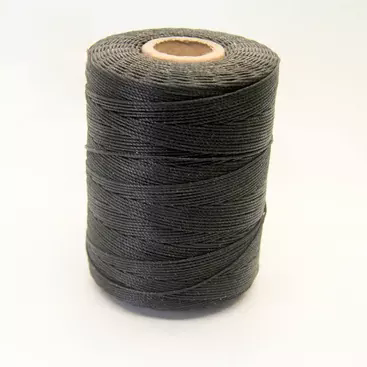
Leather goods, shoe and upholstery manufacturers often face recurring production troubles: frequent thread breakage during high-speed stitching, loose seams after long-term use, mildew damage on finished products stored in humid warehouses, and dull stitching that drags down product grade. Many ordinary twisted polyester threads cannot balance production efficiency, seam durability and surface aesthetics at the same time. As an ISO-certified professional sewing thread manufacturer with decades of production experience, Johnson Thread launched flat braided waxed sewing thread, which optimizes braiding structure and wax coating technology to tackle multiple production pain points for leather processing factories from material craftsmanship.

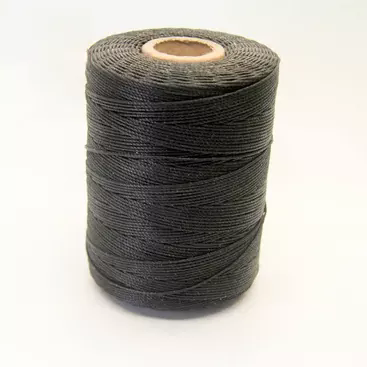
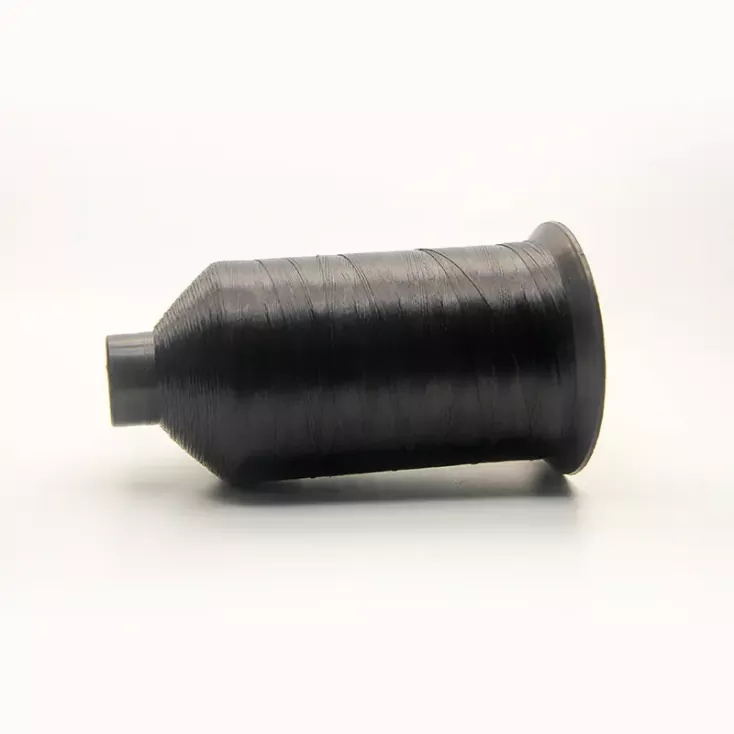
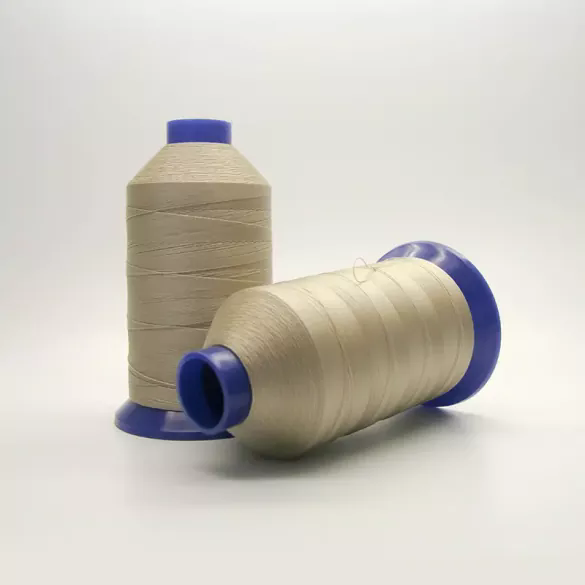
flat braided waxed sewing thread

1. Why braided construction outperforms traditional twisted thread for thick leather stitching?

Conventional twisted yarns have uneven cross-sections, which easily generate friction resistance when passing through needle eyes, leading to frequent breakage during continuous high-speed sewing. Johnson’s flat braided thread adopts interwoven helical polyester filament structure, forming a round and uniform outline. It slides more smoothly through needles and lies flat on leather surfaces without curling. The interlaced filament layout evenly disperses tensile force, greatly improving abrasion resistance, and is more suitable for hand sewing with awls and complex decorative stitching on fashion leather products. Unlike twisted threads prone to untwisting under heavy tension, braided structure locks every filament firmly to avoid seam splitting.

2. How does integrated wax coating boost workshop production efficiency?

Mass production lines running 24-hour automatic sewing often suffer from needle overheating, frequent machine downtime caused by broken thread, which seriously cuts overall output. The special wax formula coated on Johnson braided thread forms a uniform lubricating layer. It reduces friction between thread and needle, lowers heat accumulation during high-speed operation, and effectively eliminates thread snapping when sewing multi-layer thick leather, shoe welts and sofa leather. The wax also seals polyester fiber gaps to block moisture intrusion, so finished leather goods stored in humid, coastal or rainy environments won’t grow mildew, cutting after-sales quality complaints caused by damp damage.

3. What dimensional stability advantages prevent long-term seam deformation?

Footwear, saddlery and upholstery bear repeated bending and pulling forces daily. Threads with excessive elongation will gradually loosen stitches, resulting in wrinkled leather and failed structural performance. This waxed braided thread uses low-elongation polyester raw material, matched with tight braiding process to limit stretching range under load. Even after years of repeated flexing on shoe edges and sofa armrests, stitches stay tight without shifting or loosening, maintaining stable product appearance and structural safety, which is a core performance indicator that general sewing threads cannot match.

4. How does subtle glossy wax finish upgrade premium leather product texture?

High-end handbags, fashion shoes and designer sofas require stitching to present delicate high-end texture, while matte ordinary threads look plain and overly shiny threads appear cheap. The wax layer on Johnson sewing thread delivers restrained soft luster, highlighting hand-done stitching details without dazzling reflection. Manufacturers no longer need additional post-processing polishing to improve product aesthetics; a single thread can elevate the overall grade of finished leather goods and form differentiated competitive advantages in mid-to-high-end consumer markets.

5. Can multi-spec customization and factory vertical supply stabilize mass procurement costs?

Most thread merchants outsource production, leading to unstable batch quality, long delivery cycles and uncontrollable raw material costs. Johnson operates a fully self-owned manufacturing plant with complete vertical production chains from polyester filament spinning, braiding, waxing to dyeing. We provide full denier specifications from 150D to 840D for light leather, medium footwear and heavy industrial harnesses, and support Pantone custom color matching with flexible MOQ. Every batch undergoes tensile strength, wax uniformity and color fastness testing before delivery, with full batch traceability. Large-scale raw material inventory supports quick capacity expansion during peak sales seasons, helping buyers reduce material loss and stockout risks in long-term bulk procurement.

6. What sustainable manufacturing highlights meet global eco-order standards?

Nowadays, overseas brand buyers attach strict environmental requirements to auxiliary materials, rejecting threads containing heavy metal additives and high waste discharge. Johnson’s factory recycles 95% of polyester scraps generated during braiding to cut resource waste. The wax coating applied to sewing thread is biodegradable without harmful heavy metal ingredients, and colorants adopt high-color-fastness eco dyes that resist sunlight fading. This eco-friendly production system enables our braided waxed thread to pass environmental audits for European and American fashion, furniture and outdoor gear brands, expanding customers’ overseas order acceptance scope.

Related News
Leave me a message
X
We use cookies to offer you a better browsing experience, analyze site traffic and personalize content. By using this site, you agree to our use of cookies.Privacy Policy
RejectAccept