News

What Makes Polyester Trilobal Embroidery a Reliable Choice for Brilliant and Durable Designs?

2026-09-18 0 Leave me a message

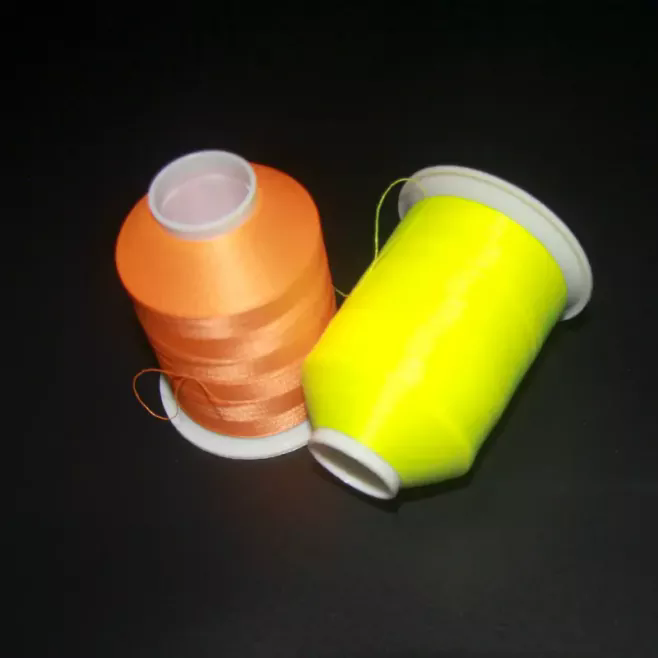
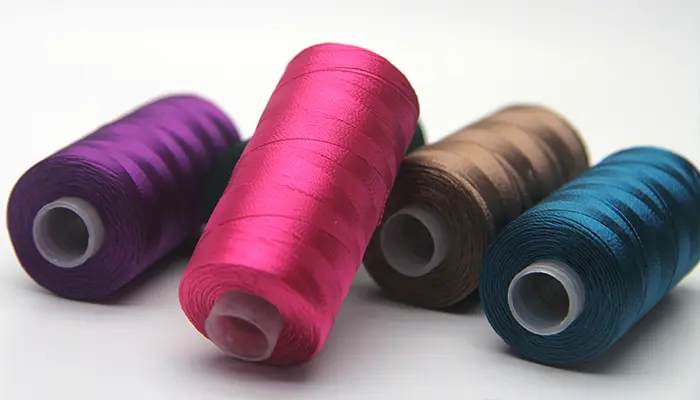
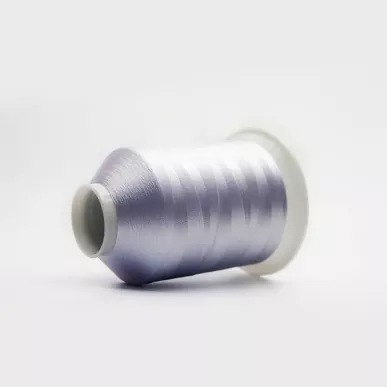
Polyester Trilobal Embroidery combines visual brilliance, smooth stitching performance, strength, and resistance to everyday wear. Its specially engineered trilobal filament structure creates a distinctive reflective appearance while maintaining the durability expected from polyester. This makes it suitable for apparel logos, uniforms, sportswear, caps, bags, footwear, decorative textiles, and other products that require embroidery to remain attractive after repeated use. This guide explains its structure, advantages, applications, production considerations, common problems, and practical selection criteria, helping buyers and embroidery manufacturers make more informed material decisions.

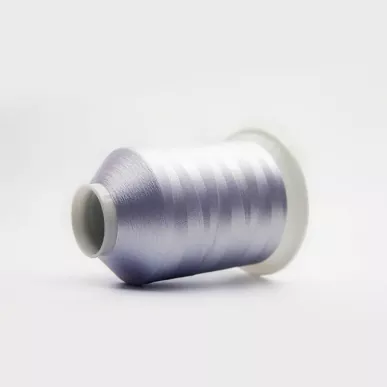
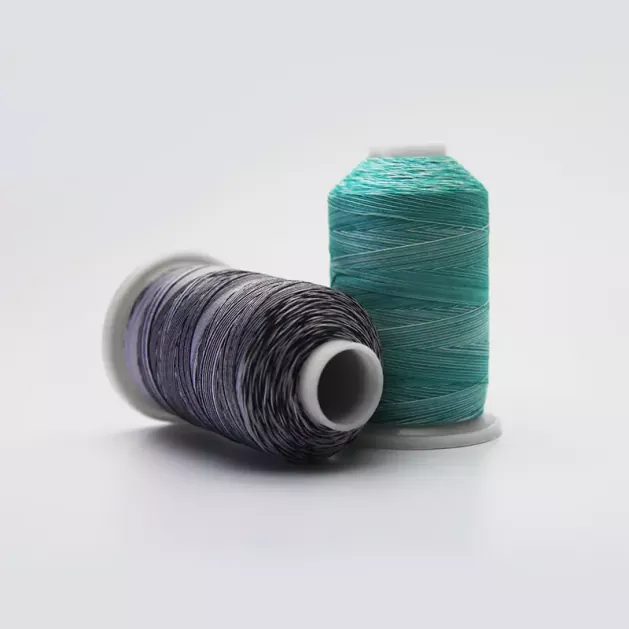
Polyester Trilobal Embroidery


Table of Contents


What Is Polyester Trilobal Embroidery?

Polyester Trilobal Embroidery refers to embroidery thread manufactured from continuous polyester filaments with a trilobal cross-sectional structure. Unlike a conventional round filament, a trilobal filament has three distinct sides. This geometry influences how light interacts with the thread surface, producing a brighter and more noticeable sheen.

For embroidery buyers, the value goes beyond appearance. A finished embroidered logo must often withstand repeated washing, friction, handling, stretching, and daily use. The thread therefore needs to balance visual quality with mechanical performance.

Polyester is widely used in demanding embroidery applications because it offers a combination of strength, durability, and resistance to everyday environmental conditions. The trilobal structure adds a decorative dimension by helping the thread reflect light more effectively.

In practical terms:

Polyester Trilobal Embroidery is designed for buyers who do not want to choose between an attractive embroidered appearance and dependable production performance.


How the Trilobal Structure Changes Embroidery Performance

The defining feature of trilobal polyester is the shape of the filament. The three-sided cross-section creates multiple reflective surfaces, allowing embroidered stitches to produce a lively sheen. This is especially noticeable on satin stitches, lettering, logos, borders, and decorative patterns.

The continuous-filament construction also provides a smooth thread surface. In high-speed machine embroidery, thread movement through the needle, tension system, and fabric can generate friction. A well-engineered embroidery thread needs to maintain consistent behavior throughout this process.

  • Enhanced visual brilliance: The trilobal geometry creates stronger light reflection.
  • Smooth thread movement: Continuous filaments can provide consistent sewing characteristics.
  • Good tensile performance: Polyester is suitable for applications where embroidery needs to withstand regular handling.
  • Resistance to abrasion: The material can be suitable for garments and products exposed to repeated rubbing.
  • Color stability: Properly manufactured polyester embroidery thread can maintain attractive color performance through repeated use.

These characteristics are particularly valuable when an embroidery design needs to remain visually recognizable after the product has moved from production to retail, washing, transportation, and everyday use.


Key Advantages for Commercial Embroidery

Commercial embroidery places different demands on thread compared with occasional decorative sewing. Production managers need stable running performance, while brands and garment manufacturers also expect the final embroidery to maintain its visual quality.

Performance Factor Benefit in Embroidery Typical Buyer Concern Addressed
High Luster Creates bright and eye-catching embroidery Dull or visually weak logos
Polyester Strength Supports demanding embroidery applications Thread breakage and weak stitching
Abrasion Resistance Helps embroidery withstand repeated friction Premature surface wear
Continuous Filament Supports smooth and consistent stitching Unstable sewing performance
Color Performance Helps maintain the intended appearance Fading or color inconsistency

The exact performance depends on filament quality, thread construction, dyeing technology, lubrication, winding, storage, embroidery machine settings, needle selection, fabric, and production conditions. For this reason, buyers should evaluate the complete thread specification rather than judging quality by appearance alone.


Common Embroidery Problems and Practical Solutions

1. Frequent Thread Breakage

Thread breakage can interrupt production and create visible defects. Possible causes include excessive machine speed, unsuitable needle size, incorrect thread tension, excessive friction, poor lubrication, damaged thread, or unsuitable thread construction.

A high-quality trilobal polyester embroidery thread should be matched with the machine, fabric, design density, and needle system. Before large-scale production, running a controlled sample can help identify tension and sewing problems.

2. Embroidery Looks Flat or Dull

A logo can be technically accurate but still fail to create the desired visual impact. This often becomes noticeable with corporate logos, fashion graphics, lettering, and satin stitches.

The reflective structure of trilobal polyester can help produce a brighter surface appearance. Proper thread color selection and stitch density are equally important because thread cannot compensate for an unsuitable embroidery design.

3. Uneven Thread Tension

Uneven tension may result in loose loops, puckering, inconsistent stitch coverage, or visible bobbin thread. Thread consistency, machine calibration, winding quality, and appropriate tension settings should all be checked.

4. Color Does Not Match the Original Design

Color matching is particularly important for branded embroidery. Buyers should establish a standard color reference before mass production and confirm the sample under suitable lighting conditions.

A professional supplier should be able to communicate clearly about color references, available shades, sample approval, production batches, and packaging identification.


Where Polyester Trilobal Embroidery Works Best

Polyester Trilobal Embroidery is especially useful when both appearance and durability matter. It can be considered for a broad range of textile products and commercial embroidery projects.

Sportswear

Suitable for team logos, performance apparel, athletic uniforms, and branded sports products.

Workwear

Useful for company names, identification marks, uniforms, and industrial garments.

Caps & Hats

Works well for compact logos, lettering, badges, and decorative embroidery.

Bags & Accessories

Suitable for branding details where durability and visual recognition are important.

Casual Apparel

Can create decorative logos, names, lettering, and fashion-oriented embroidery.

Home Textiles

Can be considered for decorative patterns, labels, personalized textile products, and accessories.

The best application depends on the fabric, embroidery density, washing requirements, expected service life, machine settings, and desired appearance. Testing the complete embroidery system is therefore more reliable than selecting thread based on material name alone.


Material Comparison for Different Embroidery Needs

Different embroidery threads are developed for different visual and performance requirements. The following comparison provides a practical starting point when discussing material selection with a supplier.

Thread Type Appearance Durability Typical Consideration
Trilobal Polyester Bright, lustrous High Commercial and decorative embroidery
Standard Polyester Moderate sheen High General-purpose embroidery
Rayon Soft, highly lustrous Moderate Fashion and decorative effects
Cotton Natural, softer appearance Moderate Natural-look embroidery

This comparison should not be treated as a universal performance ranking. The final result depends on thread grade, construction, dyeing, machine settings, fabric type, embroidery density, and care conditions.


How to Evaluate the Right Embroidery Thread

Purchasing decisions should begin with the end application rather than the lowest unit price. A small difference in thread performance can become significant when multiplied across thousands of embroidered garments.

  1. Define the fabric: Identify whether the embroidery will be applied to cotton, polyester, denim, leather, technical fabric, knitwear, or another substrate.
  2. Confirm thread size: Select a suitable denier, Tex, or ticket number according to the design and machine requirements.
  3. Check color requirements: Establish color references and sample approval procedures before bulk production.
  4. Evaluate sewing performance: Test thread breakage, tension stability, looping, and stitch coverage.
  5. Consider washing conditions: Determine whether the finished product will undergo household washing, industrial laundering, bleaching, dry cleaning, or other treatments.
  6. Review packaging: Check spool size, winding consistency, labeling, batch information, and storage requirements.
  7. Request samples: A production sample is one of the most useful ways to verify whether the thread meets the actual application requirements.
Buyer Tip

When purchasing embroidery thread in bulk, ask the supplier for technical specifications, sample quantities, available colors, packaging options, production lead time, and quality-control procedures. This creates a clearer basis for comparing suppliers.


Production and Quality Considerations

The performance of Polyester Trilobal Embroidery depends on much more than the raw polyester material. Consistency throughout spinning, filament processing, dyeing, finishing, lubrication, twisting, winding, and packaging can influence the final sewing experience.

For commercial buyers, stable batch-to-batch performance is particularly important. If thread characteristics vary between shipments, embroidery machines may require repeated adjustment, and color or stitch appearance may become inconsistent.

A dependable quality-control process should consider factors such as thread appearance, linear density, tensile behavior, elongation, color consistency, winding quality, lubrication, and packaging integrity.

Ningbo Johnson Textile Co., Ltd. can position its Polyester Trilobal Embroidery solutions around these practical purchasing requirements, helping buyers evaluate thread specifications according to their intended embroidery application rather than relying solely on generic product descriptions.

For OEM and bulk projects, communication is also important. Buyers may need customized colors, different spool sizes, specific thread counts, private labeling, or packaging configurations. Confirming these details before production can reduce misunderstandings and improve project efficiency.


Care and Storage Recommendations

Even a high-performance embroidery thread needs proper handling. Incorrect storage can affect thread condition before it reaches the embroidery machine.

  • Keep thread in a clean, dry, and well-ventilated storage environment.
  • Protect spools from excessive moisture, direct sunlight, dust, and contamination.
  • Keep original packaging intact until the thread is ready for production.
  • Avoid dropping or crushing cones and spools, as damaged winding can influence thread feeding.
  • Use older production batches appropriately and maintain clear batch identification.
  • Test stored thread before major production if it has been kept for an extended period.

Finished embroidered products should also follow the care recommendations appropriate for the garment fabric, embroidery construction, dyes, and other components. Care instructions should be verified through product-specific testing rather than assumed solely from the word “polyester.”


Frequently Asked Questions

What does “trilobal” mean in embroidery thread?

“Trilobal” describes the cross-sectional shape of the individual filament. Instead of having a conventional round profile, the filament has three main sides. This structure influences light reflection and gives the finished thread a distinctive sheen.

Is Polyester Trilobal Embroidery suitable for machine embroidery?

Yes. Trilobal polyester is widely used for machine embroidery because it combines a bright appearance with the strength and abrasion resistance associated with polyester. The exact suitability depends on thread specification, machine settings, needle selection, fabric, and design density.

Why does trilobal polyester look brighter than ordinary polyester thread?

Its filament geometry creates additional reflective surfaces. When light reaches the thread, these surfaces can produce a stronger visual sheen than a conventional round filament.

Can it be used for sportswear and workwear?

It can be suitable for both applications, particularly when the embroidery needs to combine a polished appearance with resistance to regular wear. Final selection should consider washing, abrasion, fabric construction, and the intended service environment.

How can buyers reduce thread-breakage problems?

Start by checking thread quality and storage condition, then verify needle size, machine speed, thread tension, design density, lubrication, and fabric compatibility. A controlled production test is recommended before large-volume manufacturing.

What specifications should buyers ask a supplier for?

Buyers can request information about material composition, thread size, tensile performance, elongation, shrinkage, color range, colorfastness, spool length, packaging, production lead time, sample availability, and quality-control procedures.

Can Polyester Trilobal Embroidery be customized?

Depending on the supplier's production capabilities, customization may include colors, spool sizes, thread specifications, packaging, labeling, and bulk-order configurations. Requirements should be confirmed before production.


Conclusion and Next Steps

Polyester Trilobal Embroidery brings together a distinctive glossy appearance and the practical advantages expected from polyester thread. Its trilobal filament structure can make embroidery appear brighter and more dimensional, while the underlying polyester construction supports demanding applications where strength, abrasion resistance, and color performance matter.

For buyers, the most important step is to evaluate the complete application. Fabric type, embroidery density, machine speed, thread size, color requirements, washing conditions, spool configuration, and production volume should all be considered before placing a bulk order.

Ningbo Johnson Textile Co., Ltd. can work with apparel manufacturers, embroidery factories, garment suppliers, sportswear brands, workwear producers, and textile buyers to identify suitable Polyester Trilobal Embroidery solutions for different production requirements.

Build Better Embroidery with the Right Thread

Whether you need standard colors, bulk embroidery thread, customized specifications, or application-focused textile solutions, choosing the right thread at the beginning can help improve both production efficiency and finished-product appearance.

Looking for a suitable Polyester Trilobal Embroidery solution? Contact us to discuss your specifications, application requirements, and bulk-order needs.

Related News
Leave me a message
X
We use cookies to offer you a better browsing experience, analyze site traffic and personalize content. By using this site, you agree to our use of cookies. Privacy Policy
RejectAccept