News

Why Does Textured Sewing Thread Improve Stitch Performance and Fabric Appearance?

2026-09-02 0 Leave me a message

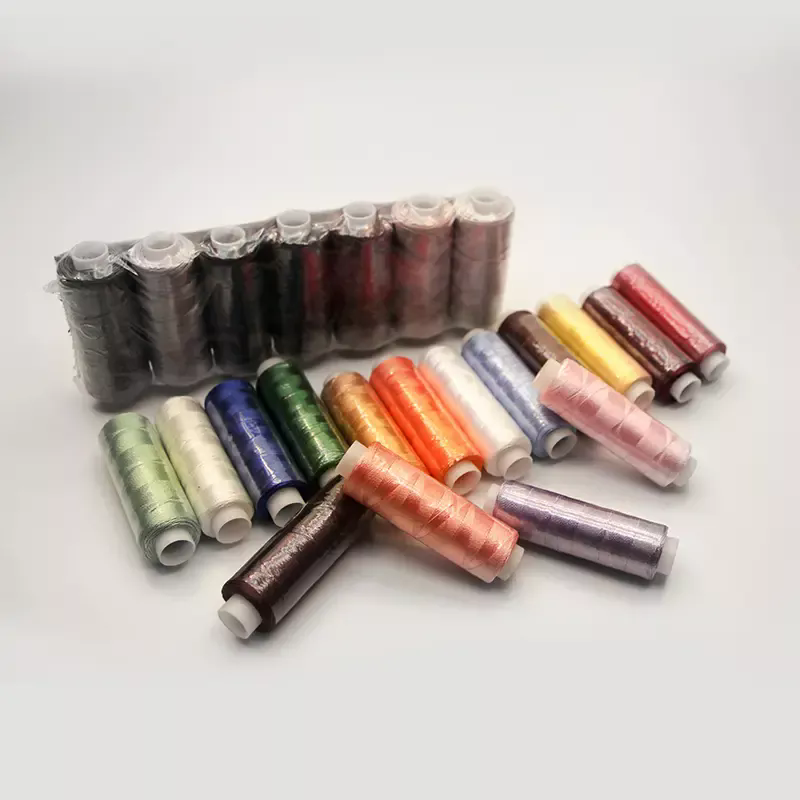
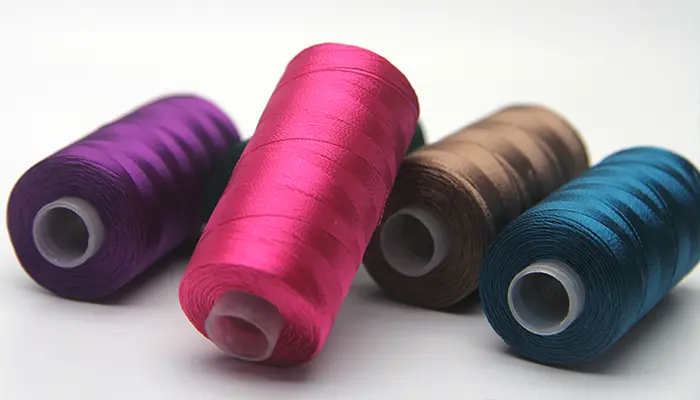
Textured sewing thread is designed to provide more than basic stitching. Its engineered surface structure can improve seam coverage, softness, stretch compatibility, and visual texture across a wide range of textile applications. Choosing the right thread, however, requires more than looking at color or price. Fiber composition, thread construction, thickness, elongation, surface characteristics, sewing conditions, and fabric type all influence the final result. This guide explains how textured sewing thread works, where it is commonly used, how to select the right specification, and how to avoid frequent sewing problems such as thread breakage, poor seam coverage, puckering, and inconsistent appearance.

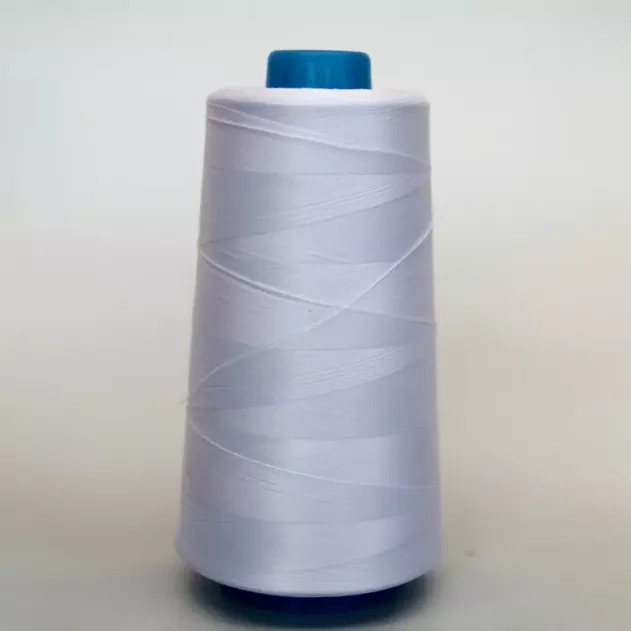
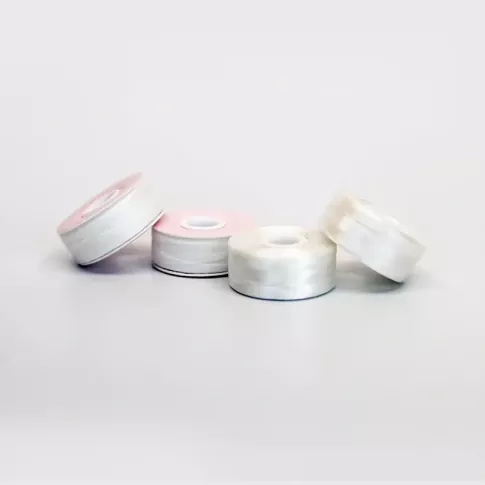
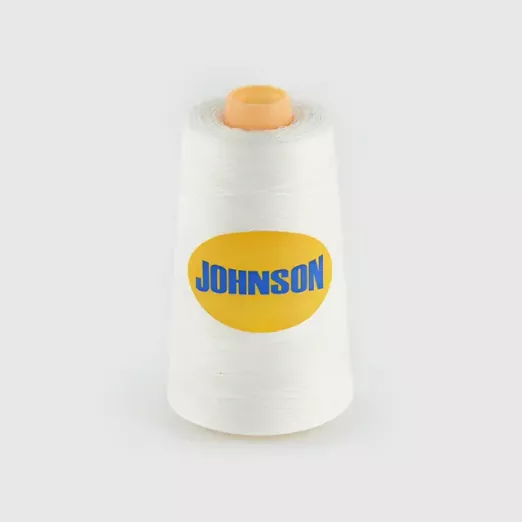
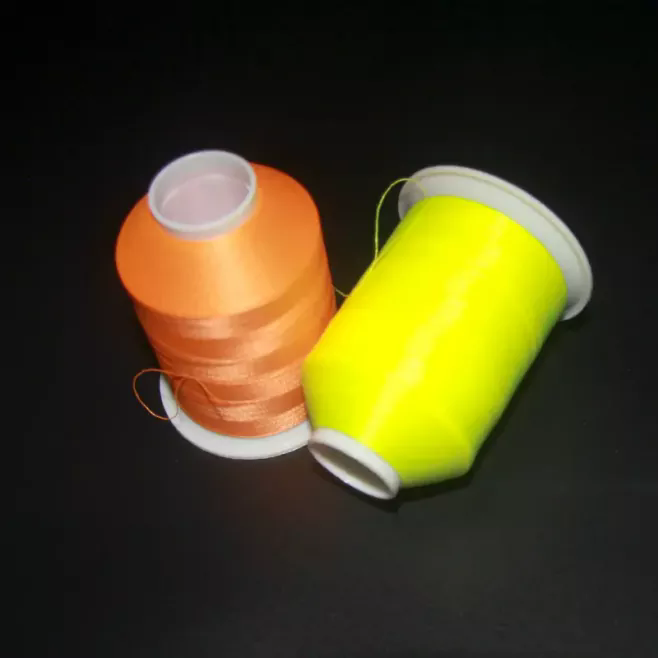
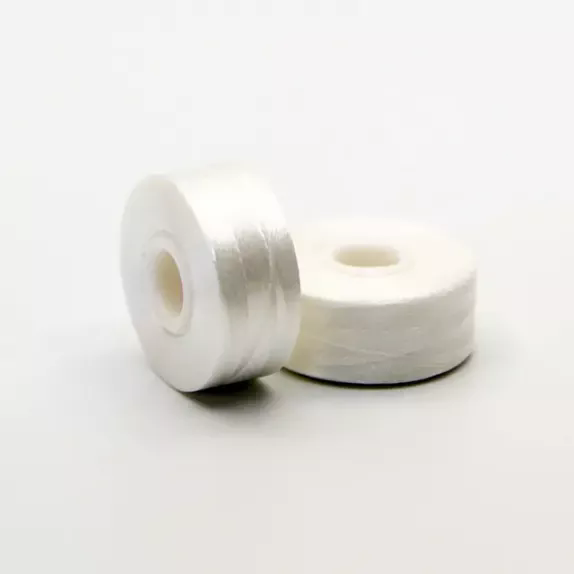
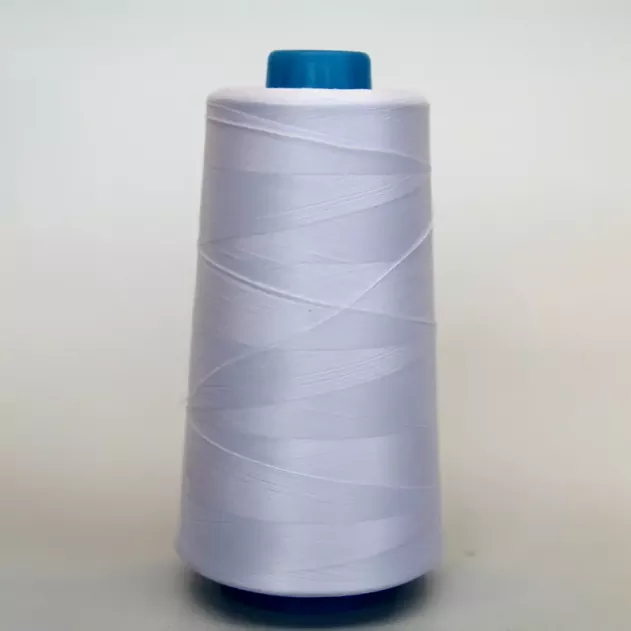
Textured sewing thread


Table of Contents

  1. What Is Textured Sewing Thread?
  2. How Is Textured Sewing Thread Constructed?
  3. Why Does Thread Texture Matter in Sewing?
  4. Where Is Textured Sewing Thread Commonly Used?
  5. How to Choose the Right Textured Sewing Thread
  6. Textured Sewing Thread vs. Conventional Sewing Thread
  7. Common Sewing Problems and Practical Solutions
  8. How to Improve Sewing Efficiency with the Right Thread
  9. Textured Sewing Thread Quality Checklist
  10. Frequently Asked Questions

What Is Textured Sewing Thread?

Textured sewing thread is a specialized textile thread with a deliberately modified surface or internal structure. Unlike a very smooth conventional filament thread, textured thread is engineered to create additional bulk, softness, coverage, elasticity, or surface character.

The term “textured” can refer to different thread constructions and processing methods. Depending on the intended application, manufacturers may modify filament structure, introduce controlled crimping, increase bulk, or combine fibers and constructions to achieve specific sewing characteristics.

The result is a thread that can behave differently from a standard smooth thread during stitching. It may provide better coverage in certain seams, a softer hand feel, improved flexibility, or a distinctive decorative appearance.

For textile manufacturers, apparel producers, home-textile factories, footwear companies, and sewing-product distributors, the important point is that textured sewing thread should be selected according to the complete sewing system rather than as an isolated material.


How Is Textured Sewing Thread Constructed?

Thread performance is closely related to its construction. A textured sewing thread may be made from synthetic or other suitable textile fibers, with the final characteristics determined by fiber properties, filament arrangement, processing, twist, thickness, and finishing.

Several factors are particularly important:

  • Fiber composition: Different fibers offer different levels of strength, elasticity, heat resistance, softness, and chemical resistance.
  • Filament structure: Filament arrangement affects smoothness, bulk, flexibility, and seam coverage.
  • Texturing process: Controlled texturing can create a more voluminous or flexible thread structure.
  • Thread size: Thickness influences seam appearance, needle selection, machine settings, and fabric compatibility.
  • Twist and construction: These factors influence stability, strength, abrasion resistance, and sewing behavior.
  • Finishing: Lubrication and surface treatment can affect friction, needle heating, thread movement, and machine performance.

A well-designed textured thread therefore represents a balance between softness, strength, flexibility, dimensional stability, and sewing performance.


Why Does Thread Texture Matter in Sewing?

The thread is one of the smallest components in a finished textile product, but it can have a significant influence on seam quality. A mismatch between thread characteristics and fabric behavior can lead to visible defects or production interruptions.

Textured sewing thread can provide several practical advantages when properly matched to the application.

Characteristic Potential Benefit Typical Importance
Bulk Improved seam coverage and visual fullness High
Flexibility Better compatibility with moving or stretch fabrics High
Softness More comfortable contact with skin or delicate fabrics Medium to High
Surface structure Distinctive decorative or textured appearance Medium
Controlled friction Smoother thread movement through the sewing system High

Another important advantage is seam appearance. Because textured thread can occupy more space than an extremely fine smooth thread of similar basic construction, it may create fuller coverage in selected applications. This can be useful when the seam itself contributes to the appearance or perceived quality of the finished product.


Where Is Textured Sewing Thread Commonly Used?

The versatility of textured sewing thread makes it suitable for many textile applications. The exact thread specification should always be matched to the fabric, machine, stitch type, and performance requirements.

  • Apparel: Sportswear, casualwear, knit garments, underwear, children's clothing, and other garments where flexibility and comfort are important.
  • Activewear: Textured thread can be considered for fabrics that undergo repeated stretching and movement.
  • Home textiles: Bedding, upholstery-related textiles, decorative fabrics, curtains, and other textile products.
  • Underwear and intimate apparel: Softness and flexibility may be especially important where seams contact the skin.
  • Footwear: Certain textile components and flexible footwear constructions can benefit from appropriately selected textured thread.
  • Decorative sewing: The additional surface character can contribute to decorative stitching and visual differentiation.
  • Overlock and serger applications: Some textured threads are particularly useful where seam coverage and flexibility are priorities.

For high-speed production, however, application suitability should be verified through sewing trials. A thread that performs well on one fabric may require different tension, needle size, stitch density, or machine speed when used on another material.


How to Choose the Right Textured Sewing Thread

Selecting a suitable thread begins with the finished product rather than the thread itself. Before placing a large order, buyers should define the fabric, sewing process, required appearance, performance expectations, and production environment.

Selection Factors

1. Consider the fabric.

Lightweight woven fabric, heavy fabric, knitted fabric, stretch fabric, and technical textiles can place very different demands on thread. A flexible fabric generally requires a thread that can accommodate movement without compromising seam integrity.

2. Match the thread size.

Thread size affects stitch visibility, seam strength, needle compatibility, and overall appearance. An excessively thick thread can create unnecessary bulk, while a thread that is too fine may not provide the desired coverage or durability.

3. Check elongation requirements.

For stretch garments and flexible textile assemblies, thread elongation can be particularly important. If the thread cannot accommodate fabric movement, seams may become stressed during wear.

4. Evaluate heat resistance.

High-speed sewing can generate heat at the needle and thread path. Applications involving fast machine speeds should therefore consider the thread's thermal behavior and finishing characteristics.

5. Consider color consistency.

For large-scale production, color consistency between batches is critical. Buyers should establish clear color standards and evaluate samples under appropriate lighting conditions.

6. Test sewing performance.

A laboratory specification alone cannot guarantee satisfactory production performance. Conducting a practical sewing test helps identify tension requirements, needle compatibility, machine-speed limitations, and potential thread breakage before mass production.


Textured Sewing Thread vs. Conventional Sewing Thread

There is no universally superior thread. The right choice depends on the application. Textured and conventional sewing threads each have characteristics that may be advantageous under different production conditions.

Factor Textured Sewing Thread Conventional Smooth Thread
Surface More structured or bulky Generally smoother
Seam coverage Can provide enhanced coverage in suitable applications Usually more compact
Flexibility Often suitable for flexible constructions Depends strongly on fiber and construction
Visual effect Can create fuller or distinctive stitching Typically clean and smooth
Typical application focus Flexible seams, overlock, comfort and decorative applications General-purpose and precision sewing

The comparison should not be interpreted as a rule that textured thread always performs better. Thread construction, fiber quality, machine settings, and fabric properties ultimately determine real-world results.


Common Sewing Problems and Practical Solutions

Even a high-quality thread can produce unsatisfactory results if the sewing system is incorrectly configured. When problems occur, check the complete sewing process instead of immediately assuming the thread is defective.

  • Thread breakage: Check thread tension, needle condition, thread path, machine speed, needle size, and possible sharp edges on machine components.
  • Uneven stitches: Inspect tension balance, thread feeding, stitch density, and fabric handling.
  • Seam puckering: Reduce excessive thread tension and verify whether the thread and fabric have compatible mechanical properties.
  • Skipped stitches: Check needle selection, needle condition, machine timing, fabric thickness, and thread compatibility.
  • Poor seam coverage: Consider whether the thread size and construction are appropriate for the stitch type and fabric.
  • Excessive needle heat: Review machine speed, needle size, lubrication, thread finish, and sewing conditions.

Keeping a record of successful machine settings can also reduce production downtime when the same fabric and thread combination is used repeatedly.


How to Improve Sewing Efficiency with the Right Thread

Thread selection is not simply a purchasing decision. It can affect production efficiency, quality control, material waste, and customer satisfaction.

A practical approach is to establish a standardized thread evaluation process:

  1. Identify the fabric composition and weight.
  2. Define the stitch type and sewing machine.
  3. Determine required seam appearance and performance.
  4. Select several appropriate thread specifications.
  5. Conduct controlled sewing trials.
  6. Inspect stitches before and after fabric movement or washing when relevant.
  7. Record machine settings and thread specifications.
  8. Approve a production sample before placing a large-volume order.

This approach can reduce trial-and-error purchasing and make future production more consistent.


Textured Sewing Thread Quality Checklist

When evaluating a supplier or product, buyers can use the following checklist:

Evaluation Item What to Check
Thread construction Fiber, filament structure, texture and twist
Thread size Compatibility with fabric and needle
Strength Adequate performance for intended seams
Elongation Suitable for fabric movement and stretch
Color Consistency and availability of required shades
Sewing behavior Breakage, tension stability, feeding and stitch formation
Packaging Suitable winding, labeling and protection during transportation

For bulk purchasing, buyers should also clarify minimum order quantities, sample availability, production lead times, packaging requirements, color matching procedures, and quality-control arrangements before confirming an order.


Frequently Asked Questions

Q1: What is textured sewing thread mainly used for?

Textured sewing thread is commonly used where flexibility, bulk, seam coverage, softness, or a distinctive surface appearance is desirable. Applications can include apparel, sportswear, knitwear, home textiles, footwear components, overlock sewing, and decorative stitching.

Q2: Is textured sewing thread suitable for stretch fabrics?

It can be, particularly when the selected thread has appropriate elongation and flexibility. However, the thread should always be tested with the specific stretch fabric and stitch construction before production.

Q3: Can textured sewing thread be used on high-speed sewing machines?

Many textured threads can be used in industrial sewing environments, but performance depends on thread construction, finishing, machine speed, needle selection, tension, and the specific sewing application. Production trials are recommended.

Q4: How do I select the correct thread thickness?

Consider fabric weight, stitch type, required seam appearance, needle size, machine specifications, and desired seam strength. A thread that is too thick can create unnecessary bulk, while an undersized thread may not deliver the required coverage or performance.

Q5: Why does textured thread sometimes break during sewing?

Possible causes include excessive tension, unsuitable needle size, excessive machine speed, damaged needles, incorrect threading, rough thread paths, unsuitable thread construction, or incompatibility between the thread and fabric.

Q6: Does textured sewing thread provide a different appearance from smooth thread?

Yes. Its surface structure can create a fuller, softer, or more visible stitch effect. The final appearance depends on thread construction, color, thickness, stitch type, fabric, and sewing settings.

Q7: Should I test samples before purchasing textured sewing thread in bulk?

Yes. Sampling is especially important for industrial production. Testing allows buyers to evaluate stitch formation, breakage resistance, seam appearance, fabric compatibility, and machine performance before committing to a large order.


Final Thoughts

Textured sewing thread can be a valuable solution when ordinary smooth thread does not fully meet the requirements of a textile application. Its structured construction can contribute to seam coverage, flexibility, softness, visual texture, and sewing performance when correctly matched to the fabric and production process.

For buyers, the most reliable selection method is to look beyond price and basic appearance. Fiber composition, thread size, construction, elongation, strength, finishing, color consistency, machine compatibility, and application requirements should all be considered together.

Ningbo Johnson Textile Co.,Ltd. can be considered as a potential textile-thread partner for businesses looking for suitable sewing thread solutions for different production requirements. Whether you are developing a new textile product, sourcing thread for regular manufacturing, or looking for a reliable solution for bulk purchasing, clearly communicating your fabric type, sewing method, thread specifications, color requirements, packaging needs, and expected production volume can help achieve a more suitable result.

Looking for the right Textured Sewing Thread for your production line? Share your application requirements, preferred specifications, color needs, and purchasing volume with Ningbo Johnson Textile Co.,Ltd. to discuss a suitable solution. Contact us today to explore your textile thread requirements and move your next sewing project toward more consistent and reliable production.

Related News
Leave me a message
X
We use cookies to offer you a better browsing experience, analyze site traffic and personalize content. By using this site, you agree to our use of cookies.Privacy Policy
RejectAccept